ARTIFACTS OF DISTURBANCE
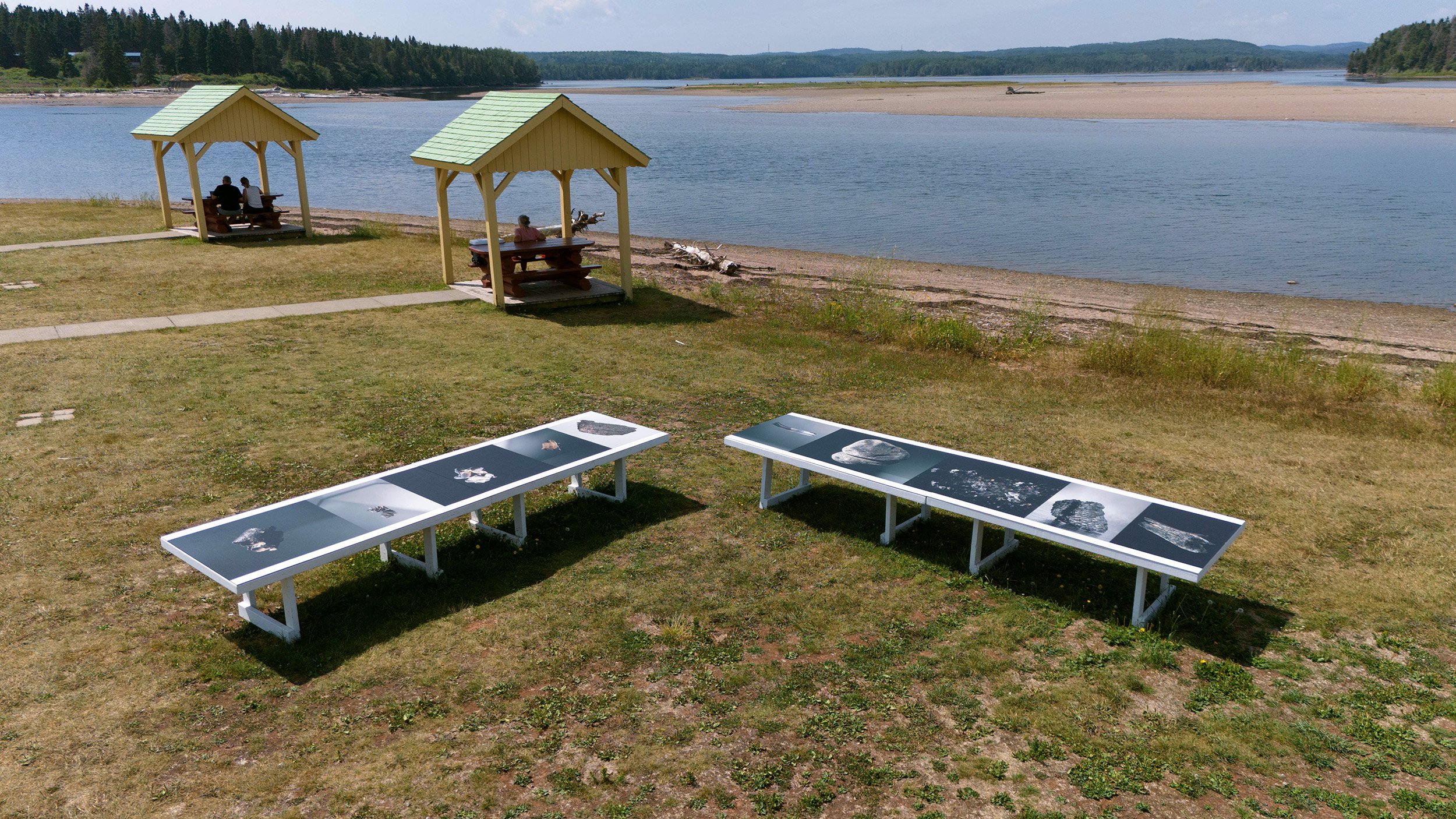
Rencontres internationales de la photographie en Gaspésie
CHANDLER, QUÉBEC, JULY 15 to SEPTEMBER 30, 2024
Since 2016, I have resided in one of the most fire-prone landscapes in Canada, and I have investigated wildfire as a disturbance phenomenon since 2017 through photography, video, and audio. A relatively optimistic outlook on fire ecology was embedded in my earlier imagery. I leaned into how the land can rebound and regenerate after low- or moderate-intensity fires. However, for every forest that benefits from low-intensity fire, a larger swath of land has been severely transformed due to a fire of high magnitude. This territory often enters into a cycle of slope destabilization, erosion and flooding, slowing the process of regrowth. These ideas led me to create a series titled Silent Witnesses, which relied on artificial lighting to focus the viewer’s attention on certain pictorial elements. I am interested in how contemporary artists deal with the prevalence of global wildfires and the unpredictable nature of fire, and I am concerned with two main methodologies – artists working within a documentary mode and those relying more heavily on constructed images – as I continue to adapt my own point of view on the topic.
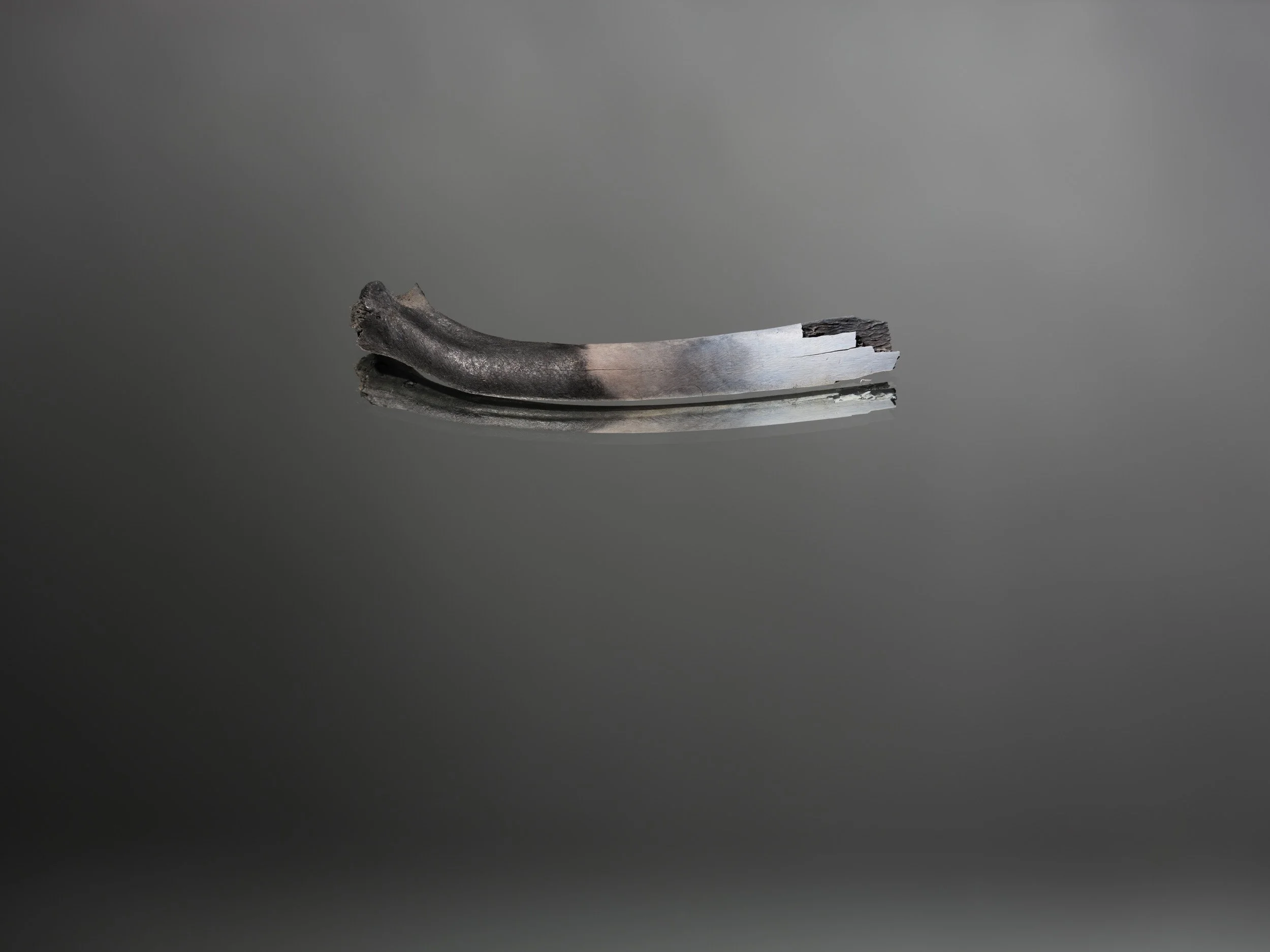
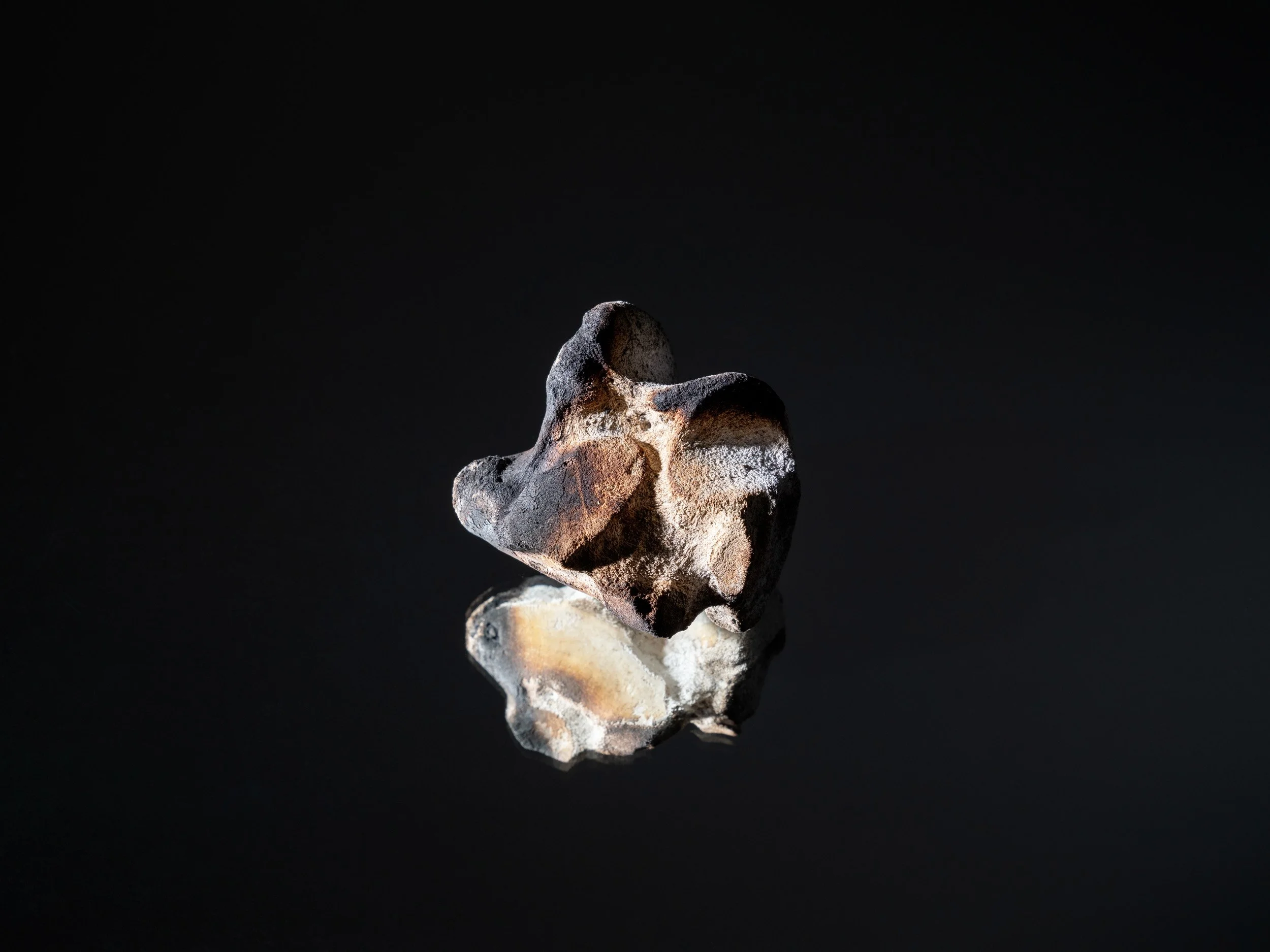
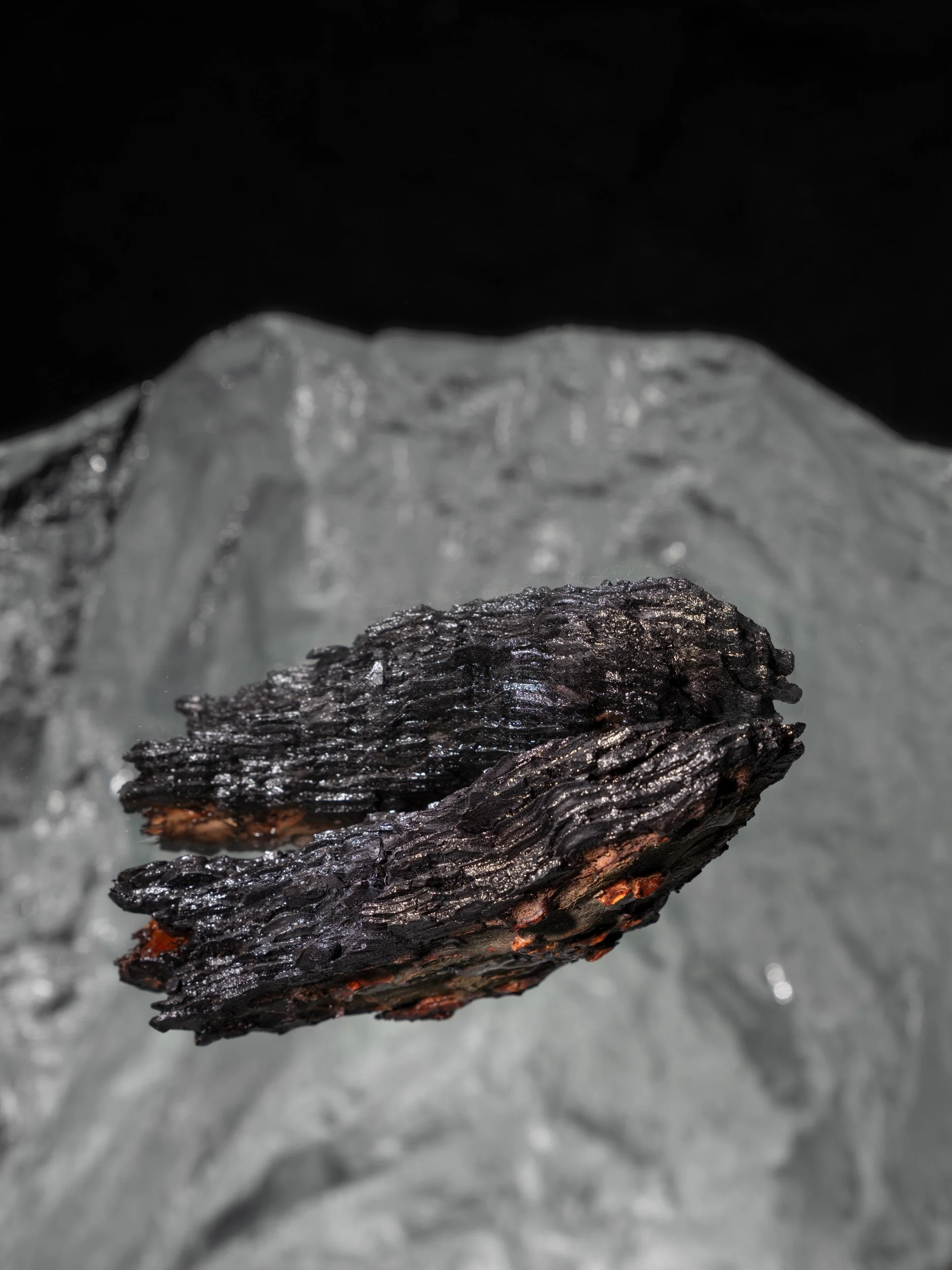
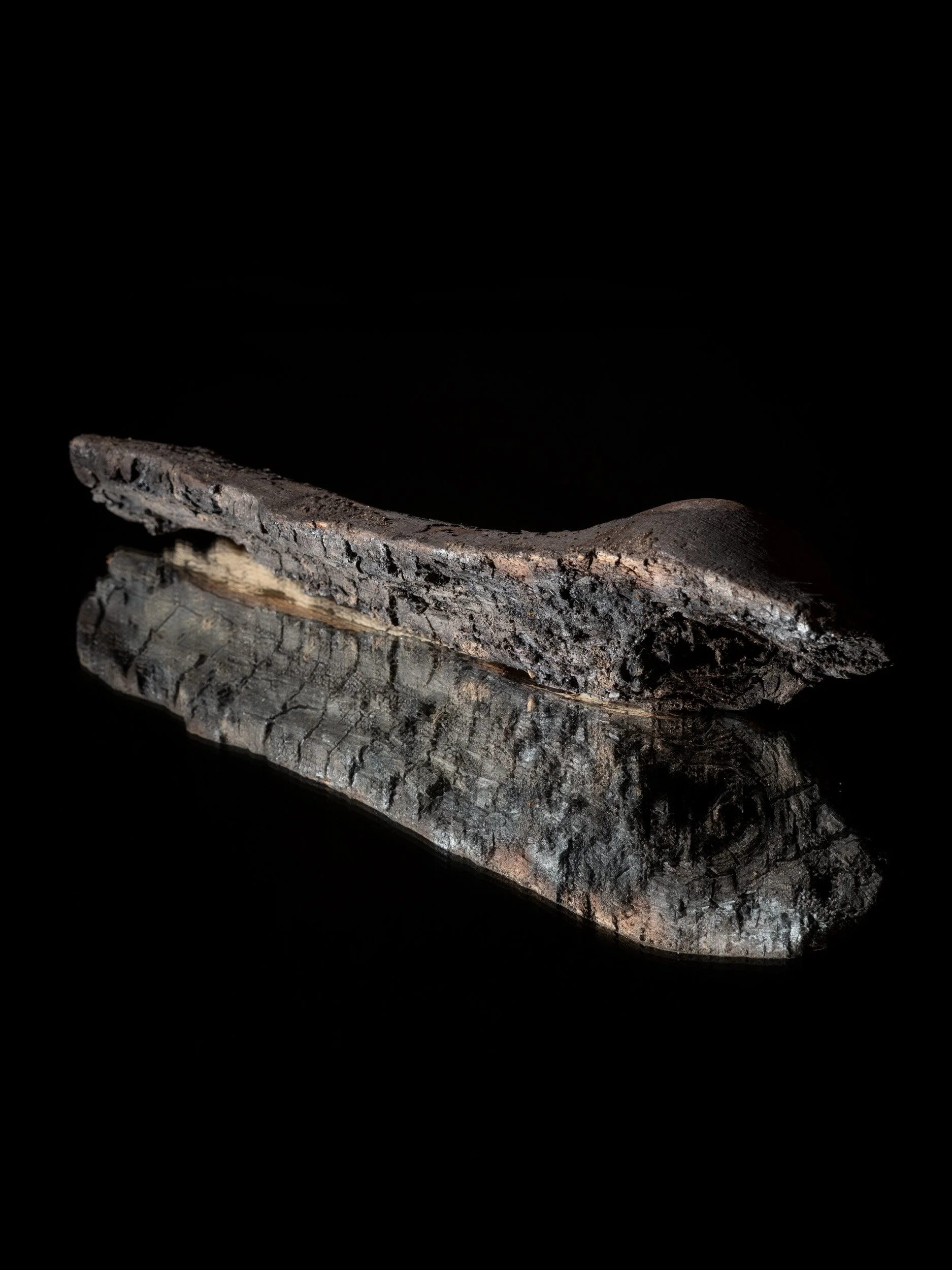
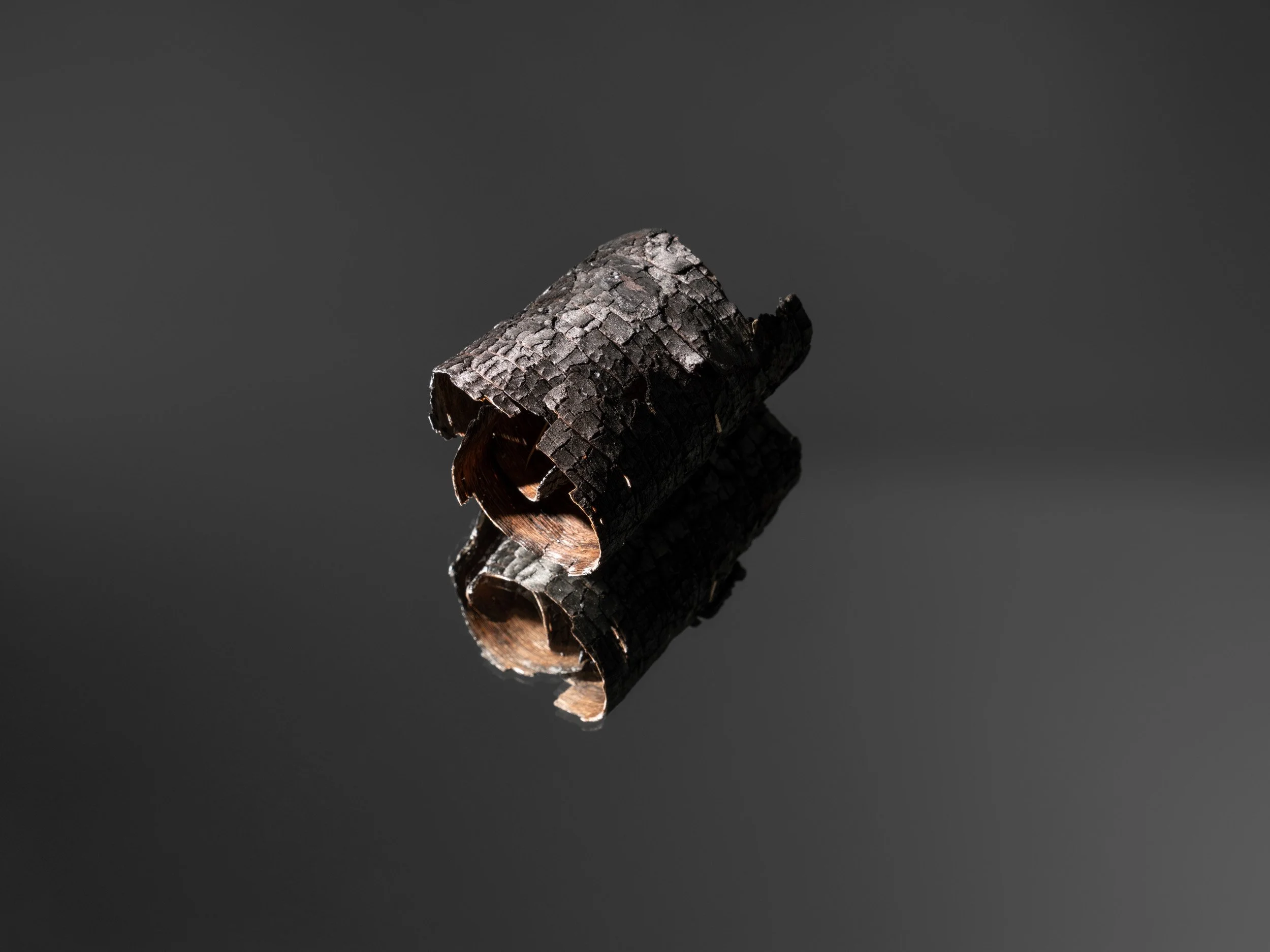
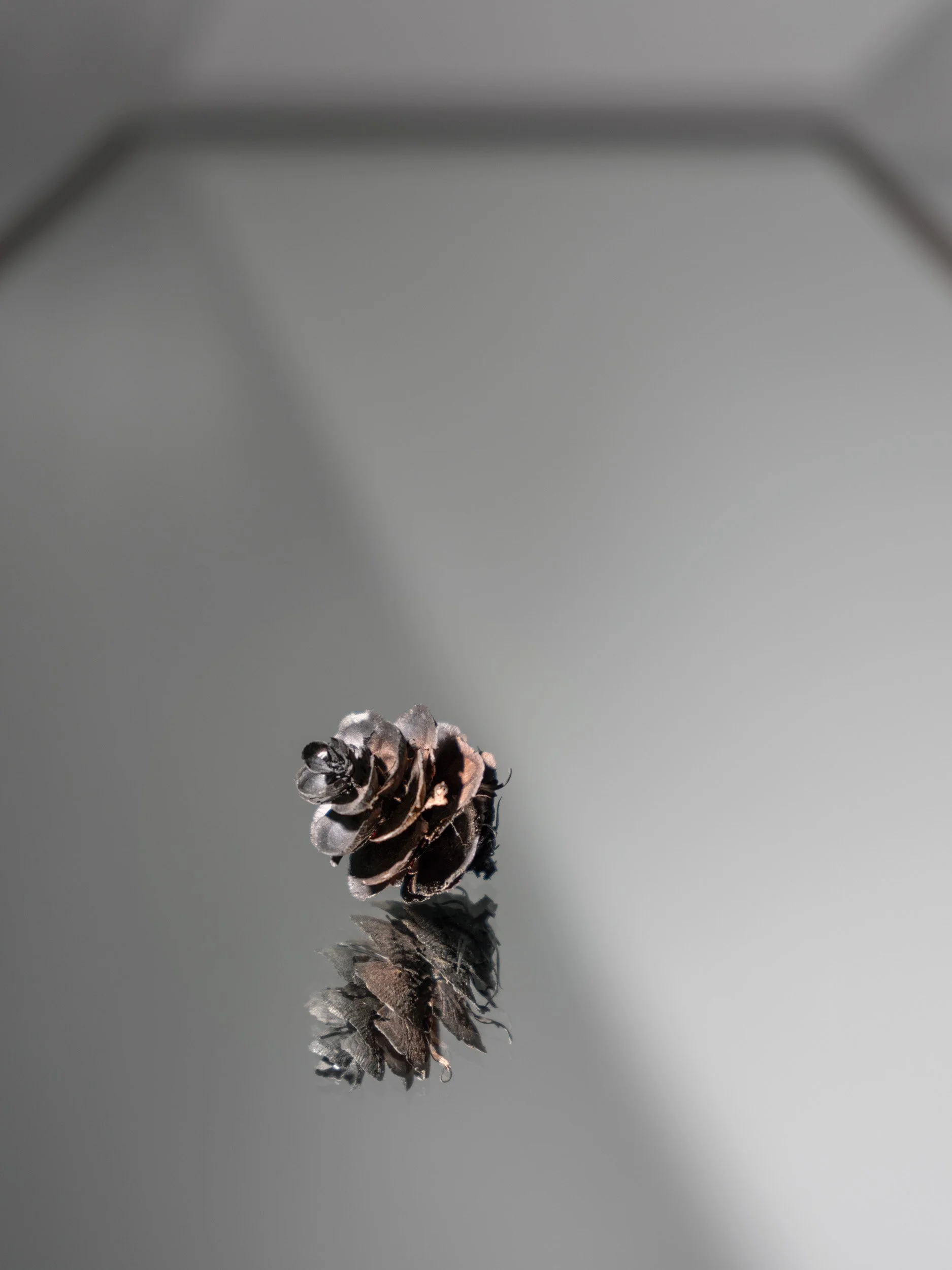
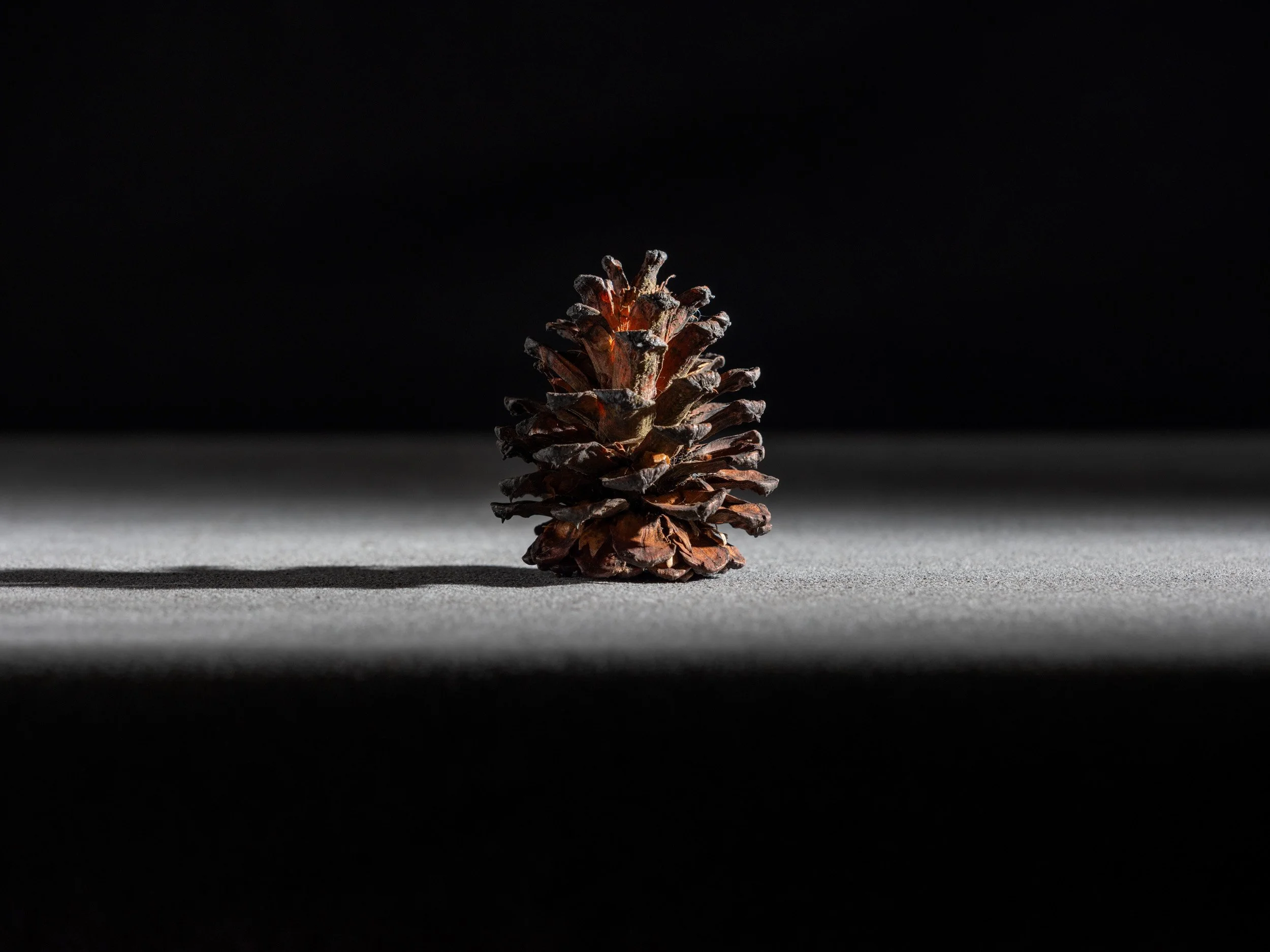
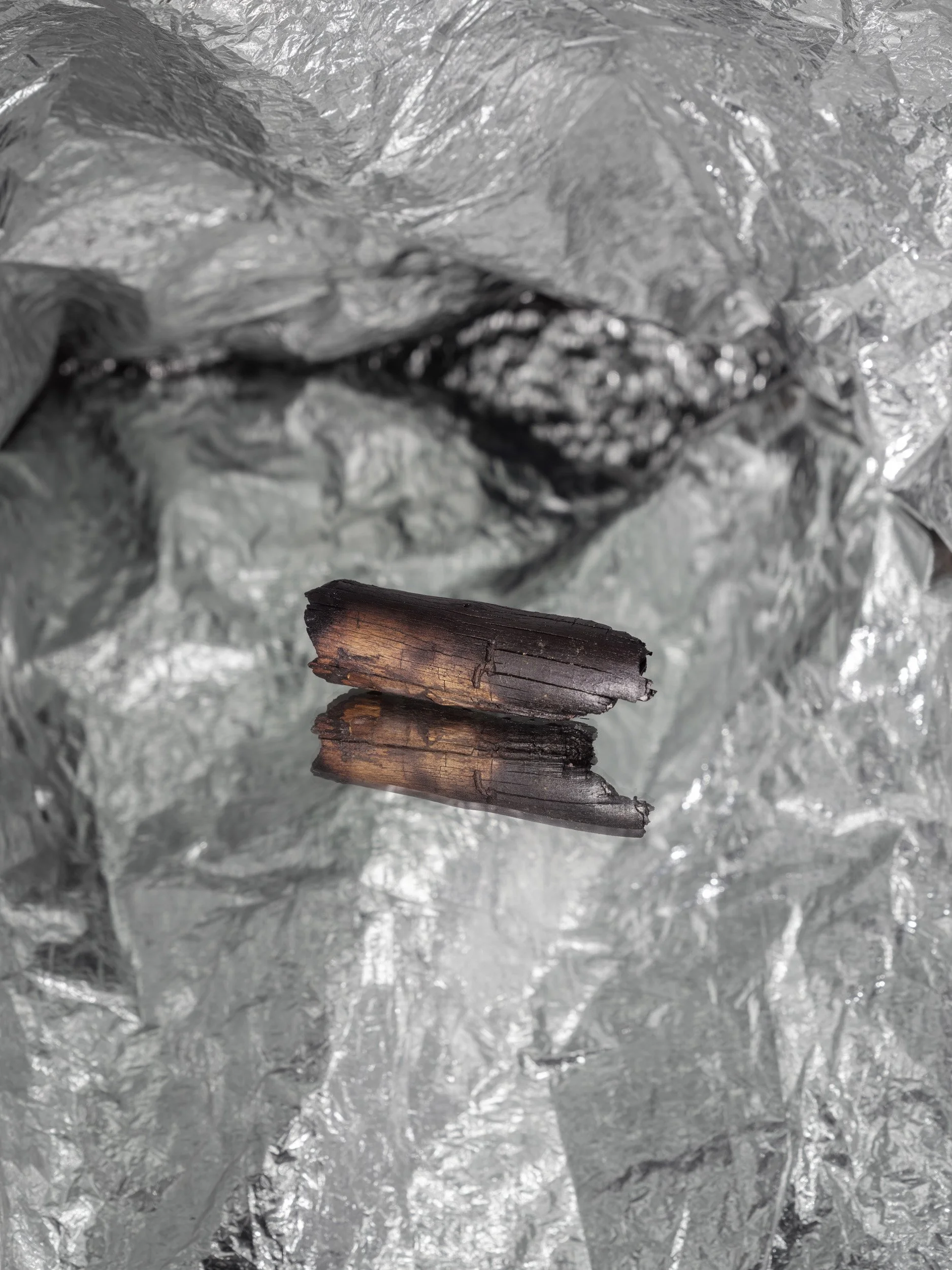
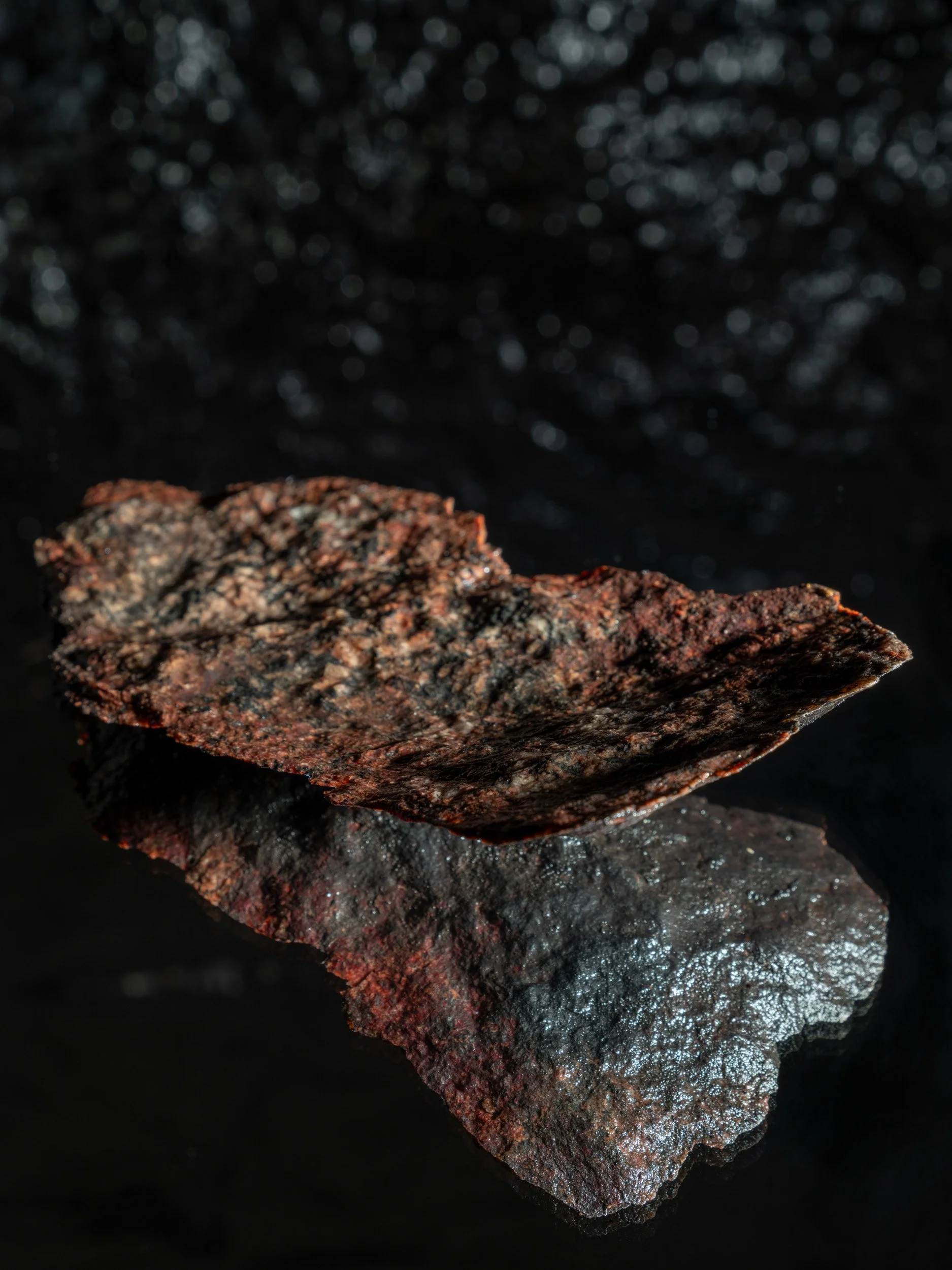
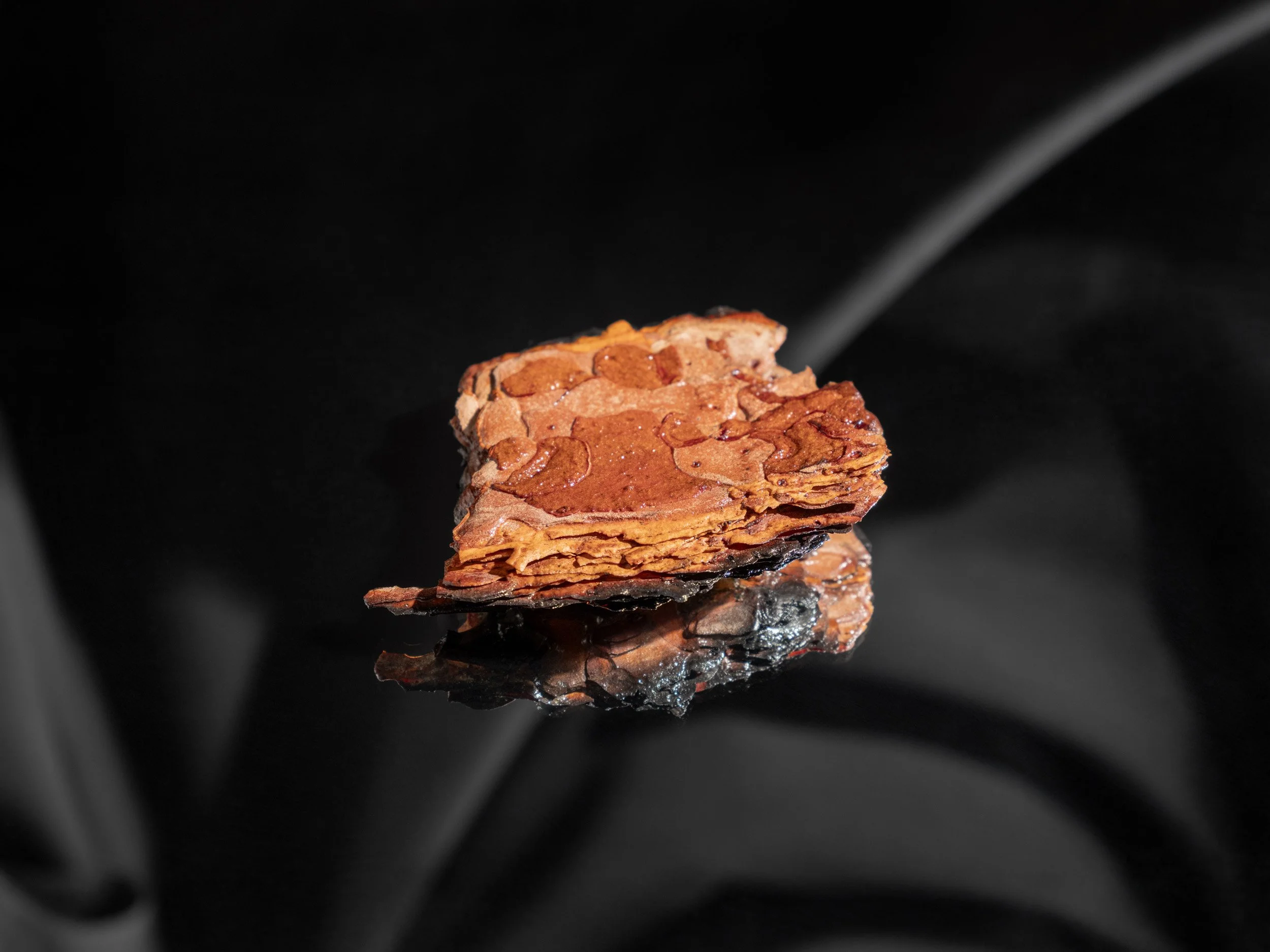
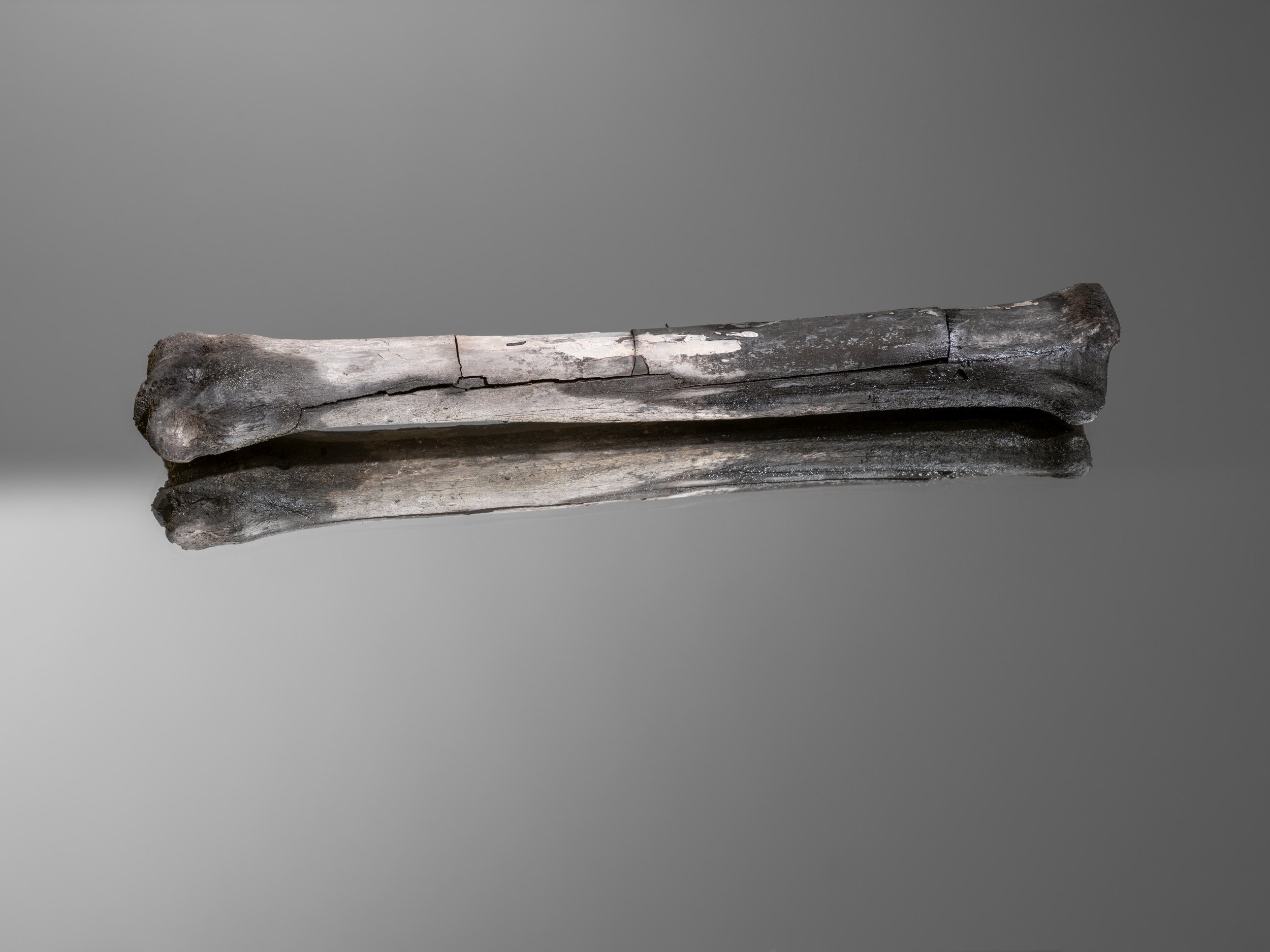
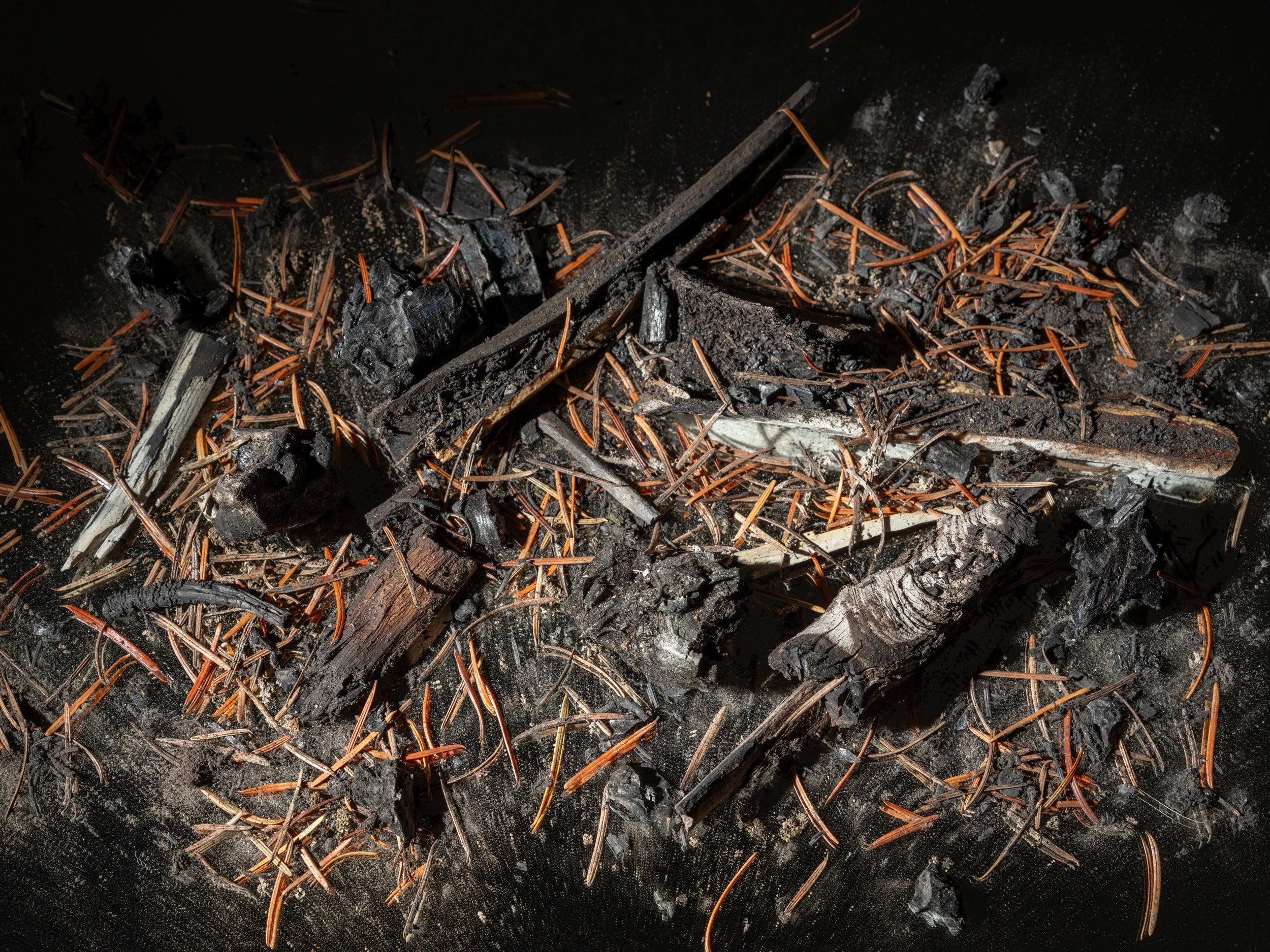
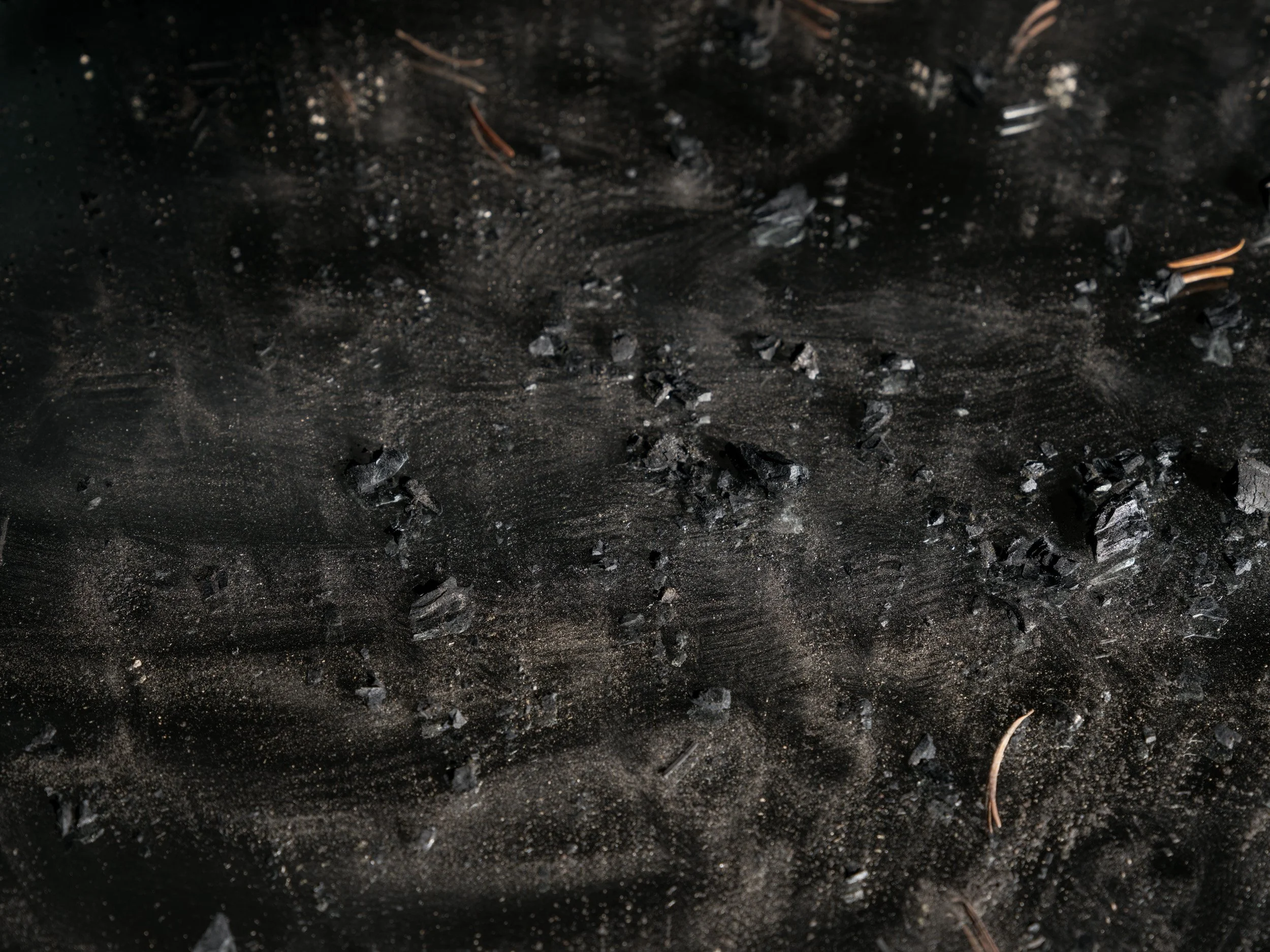
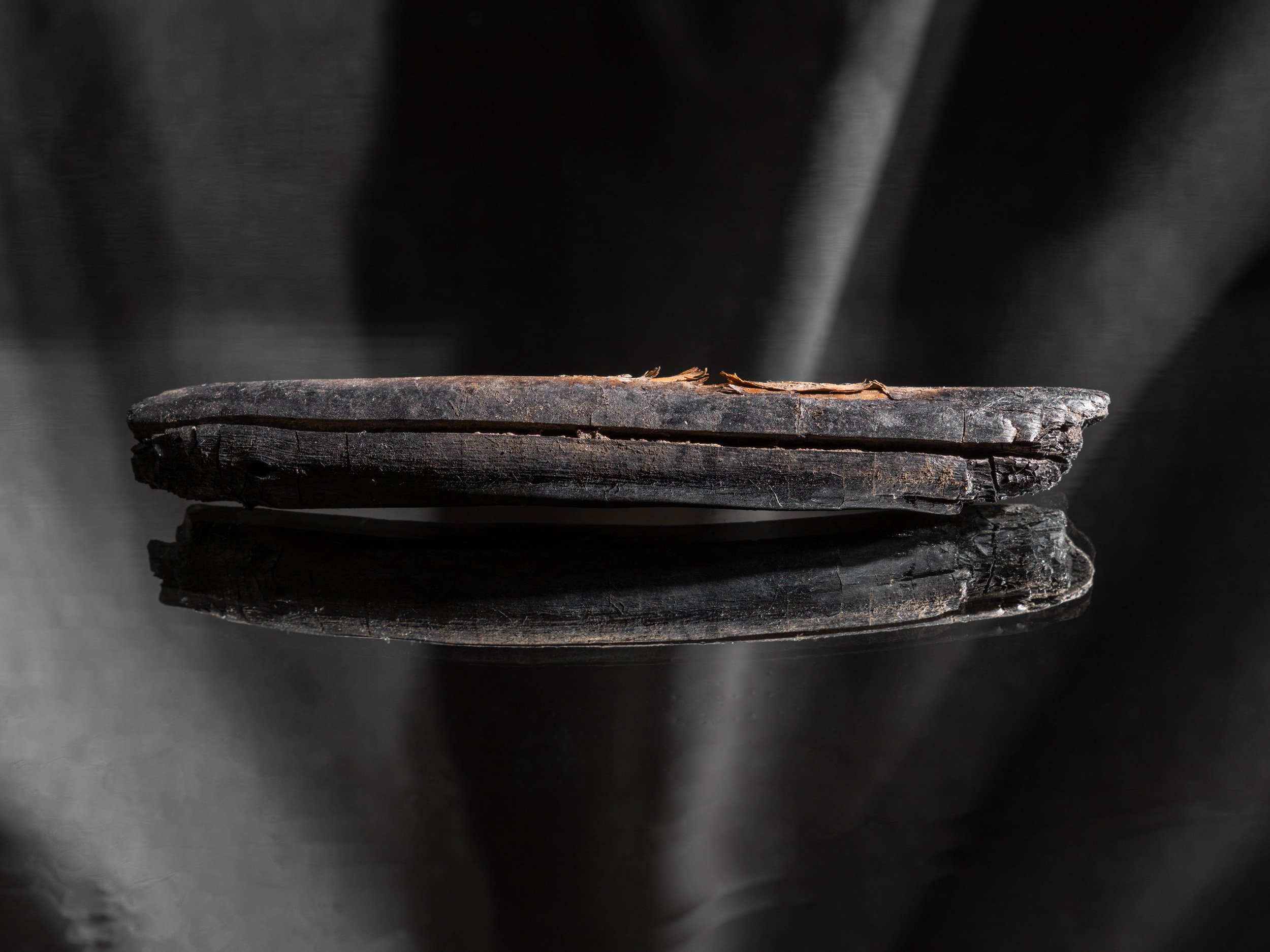
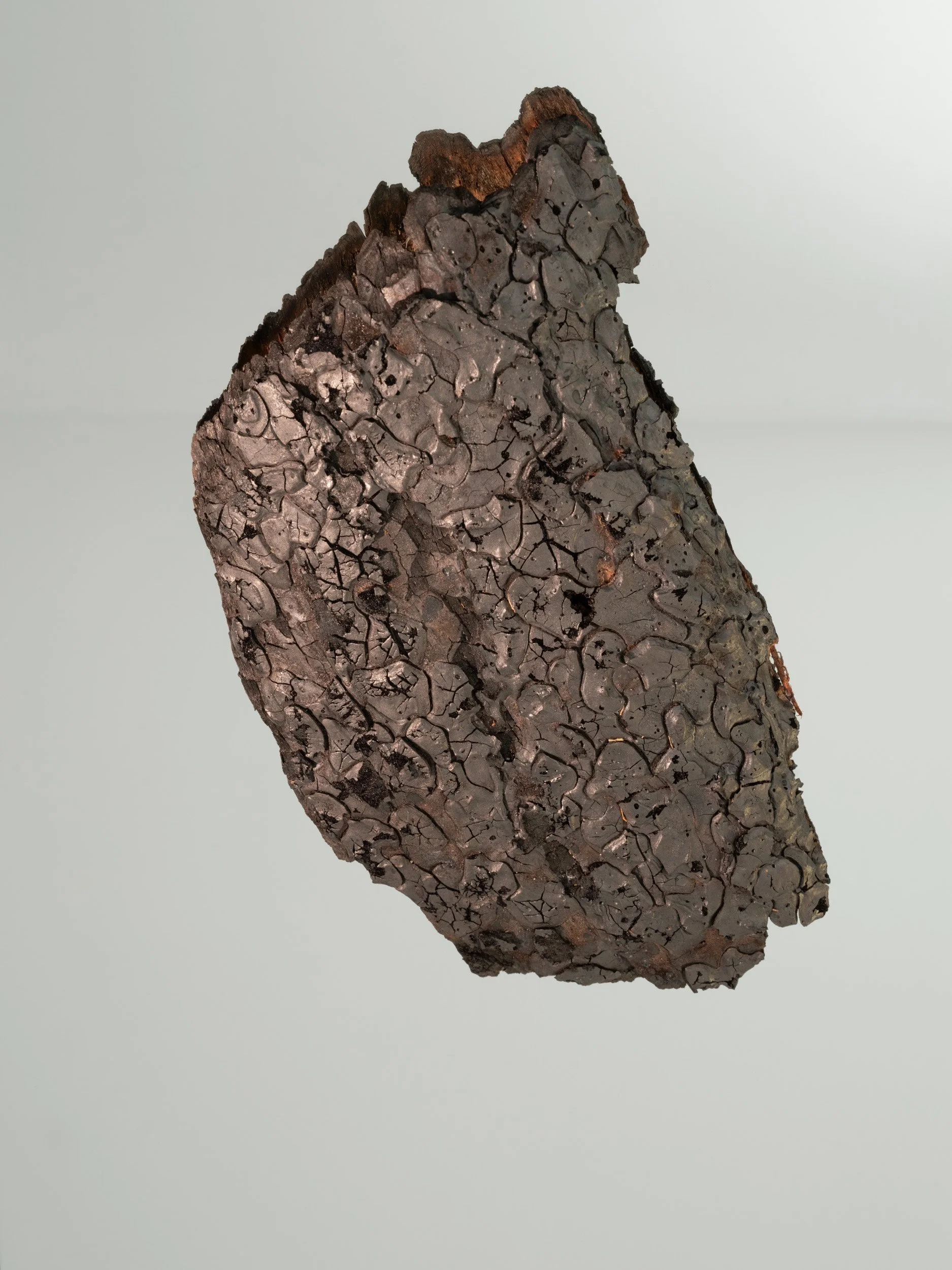
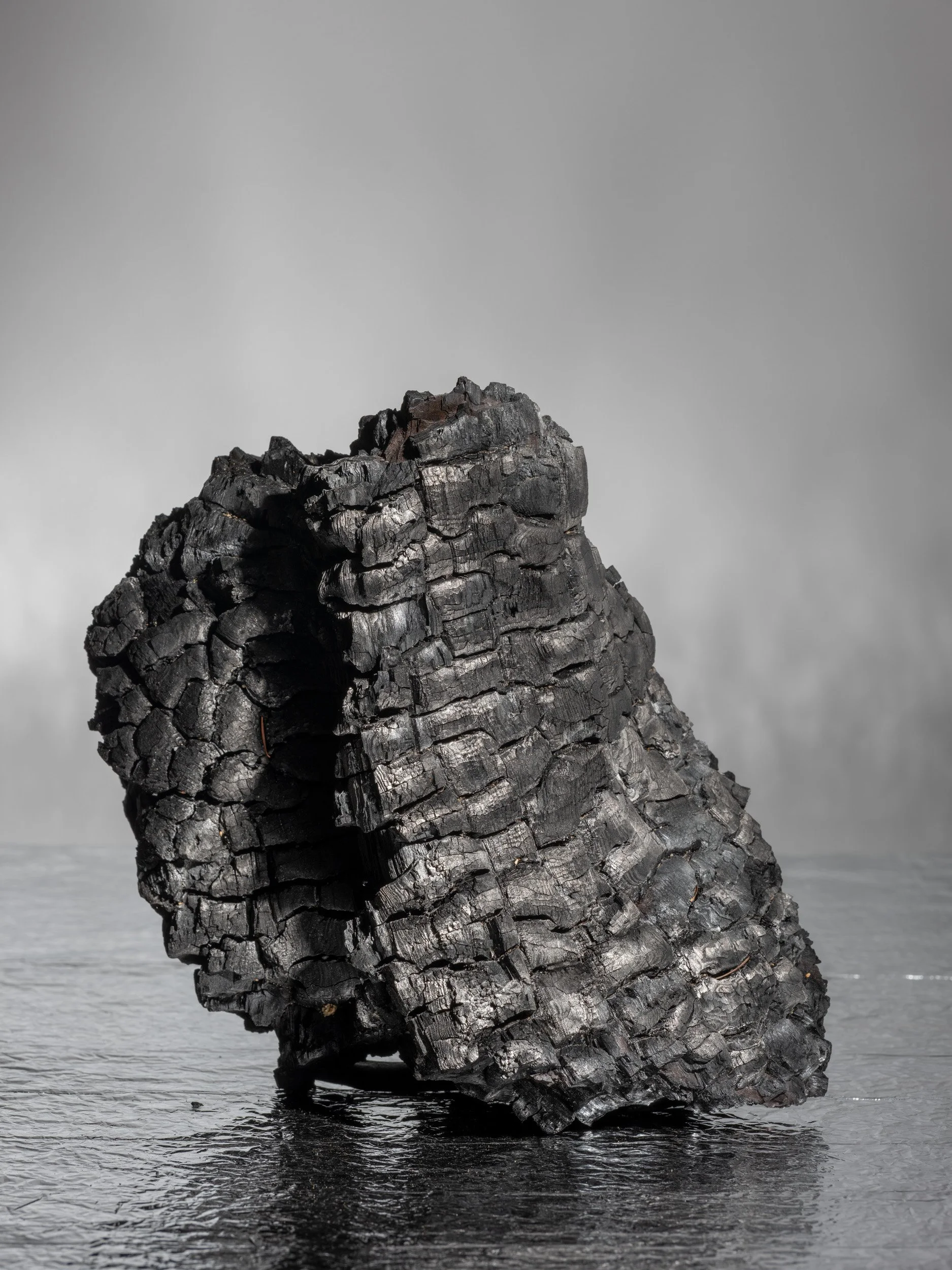
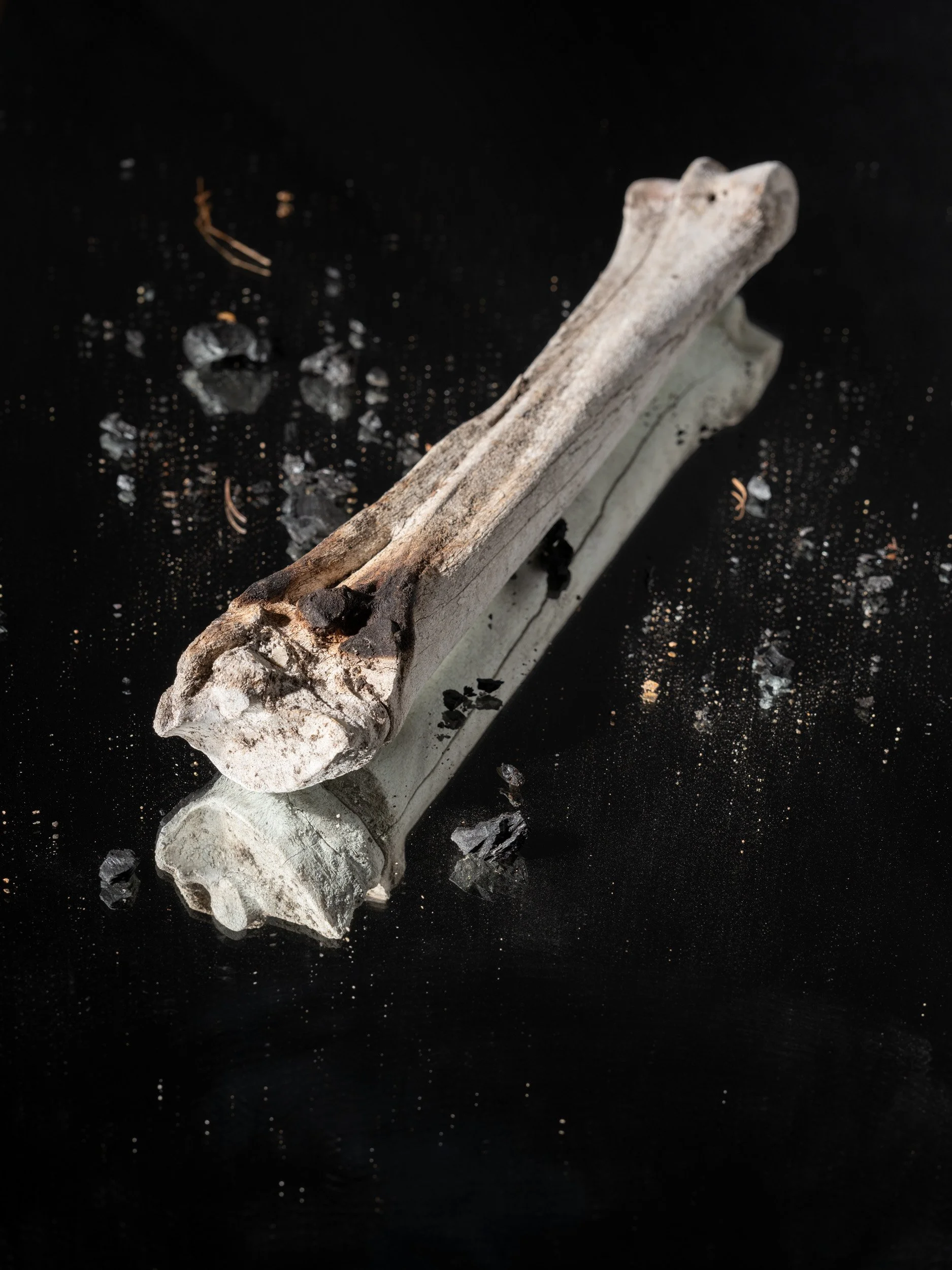
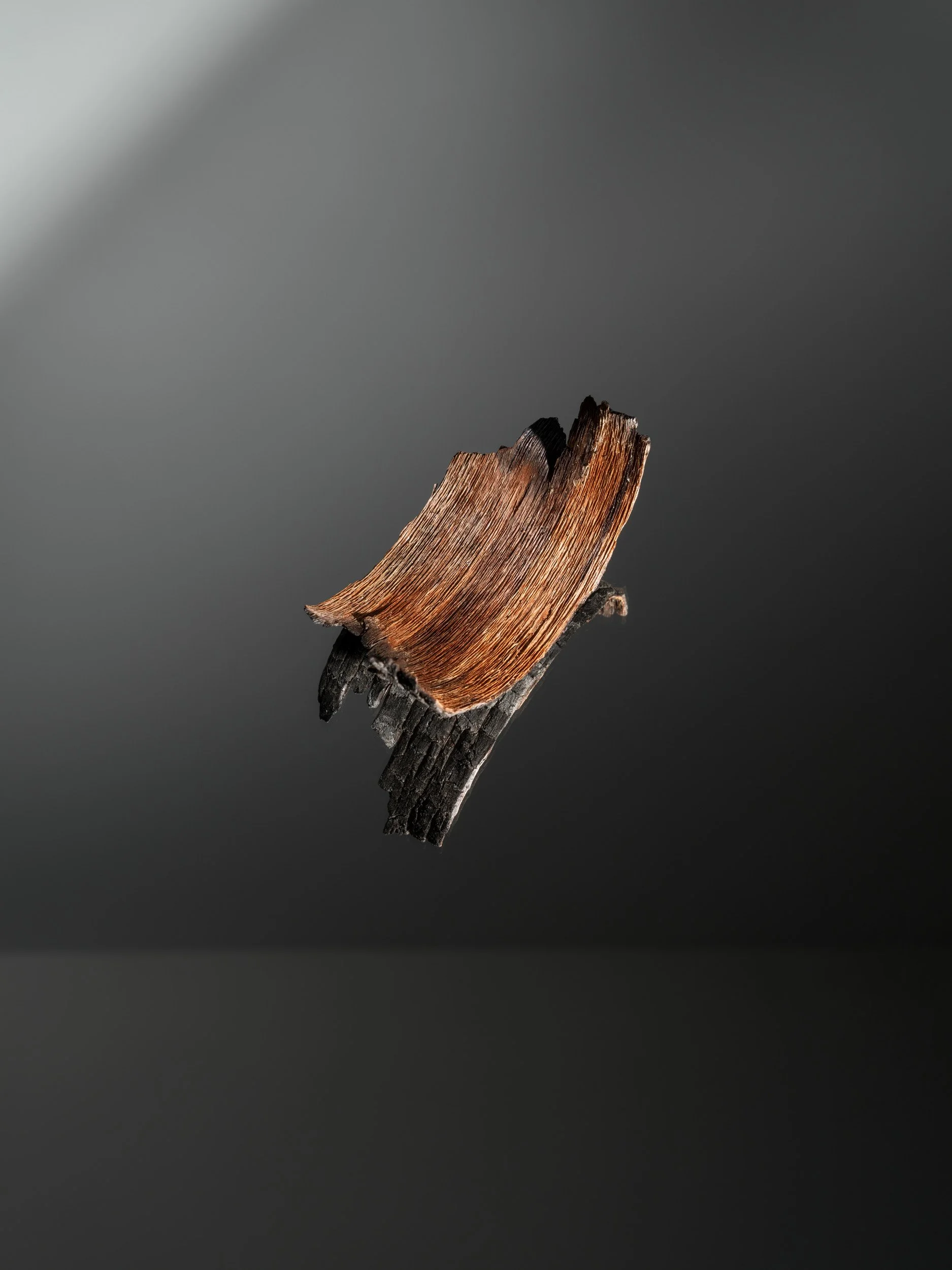
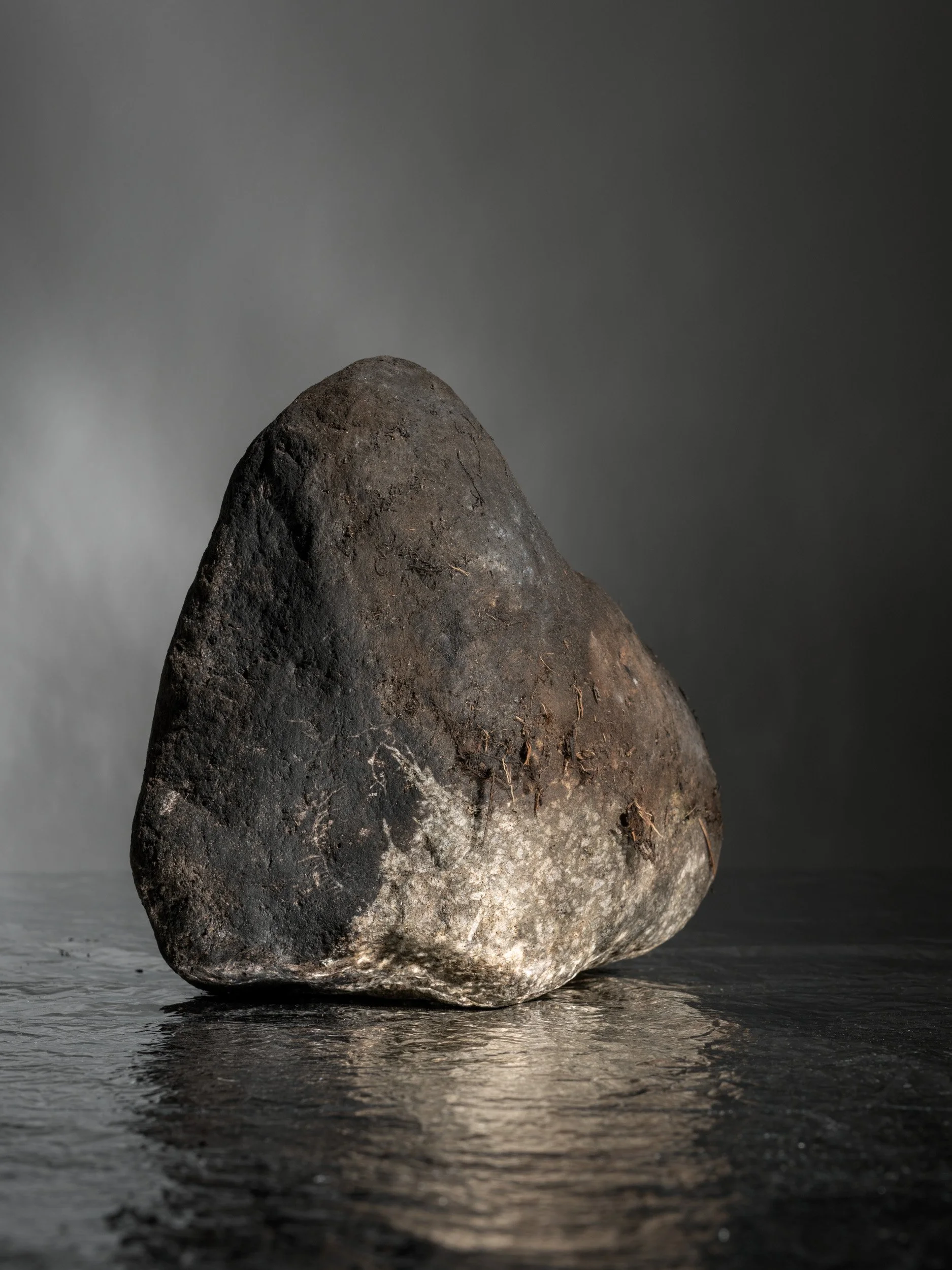
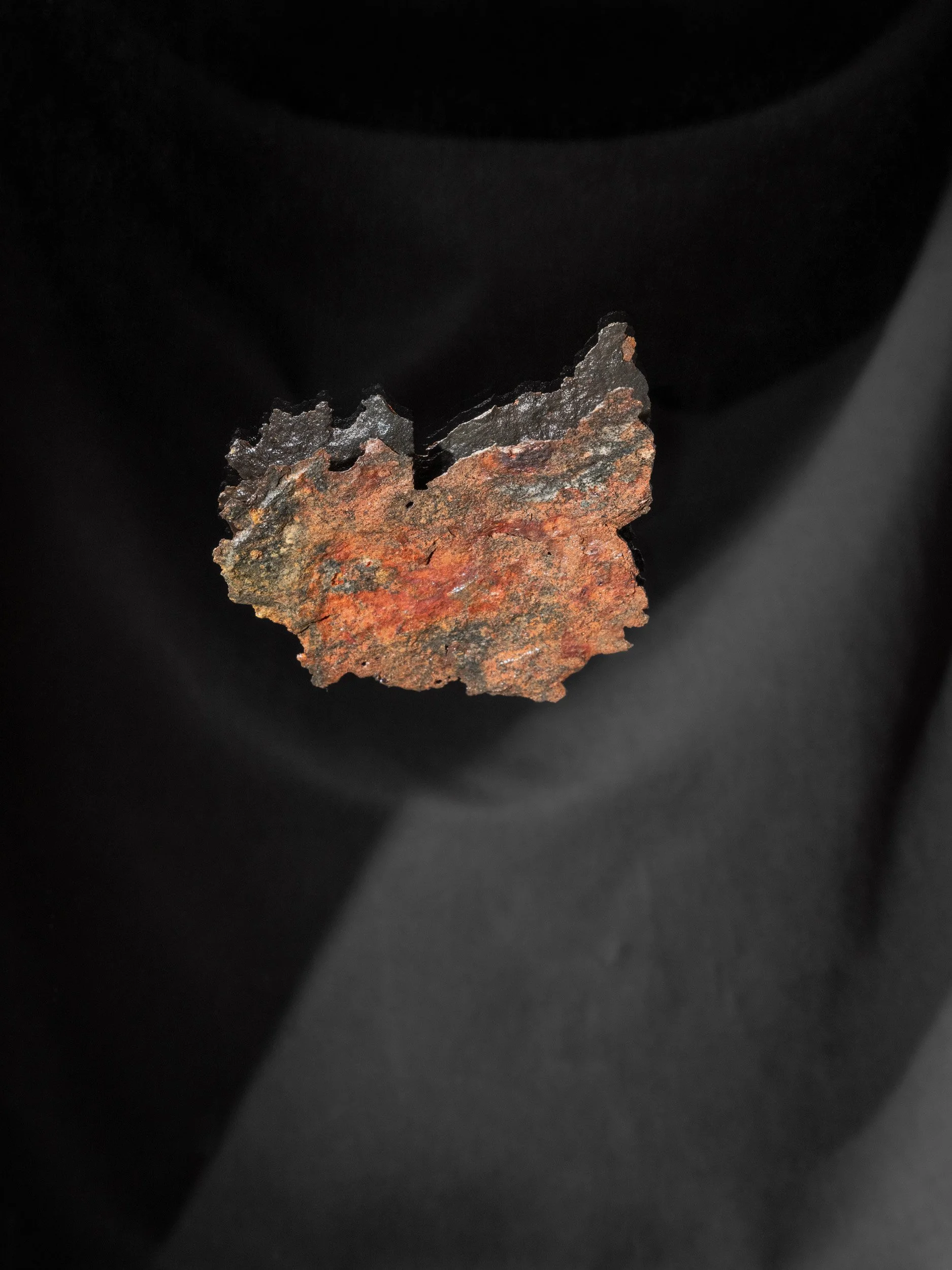
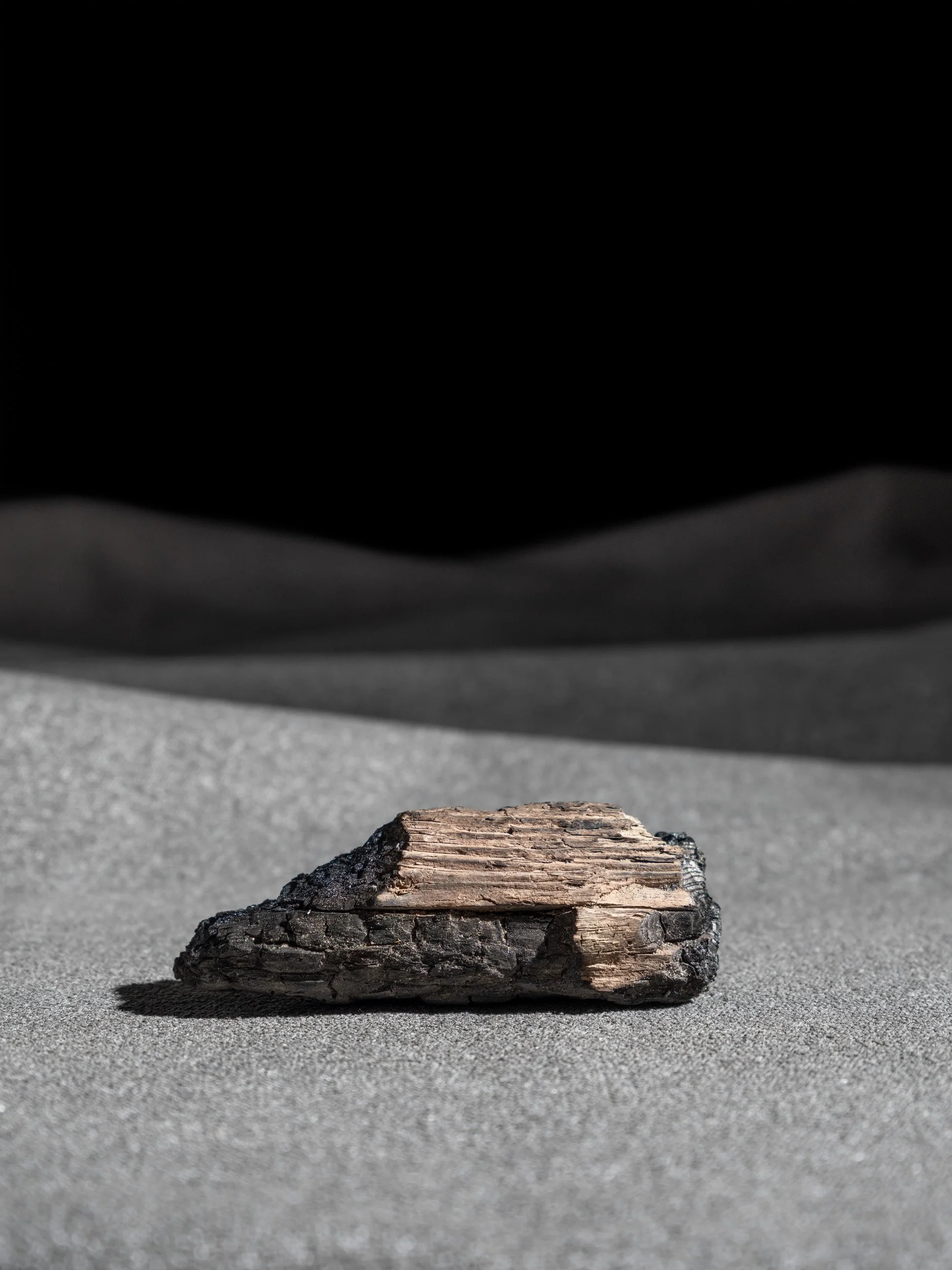
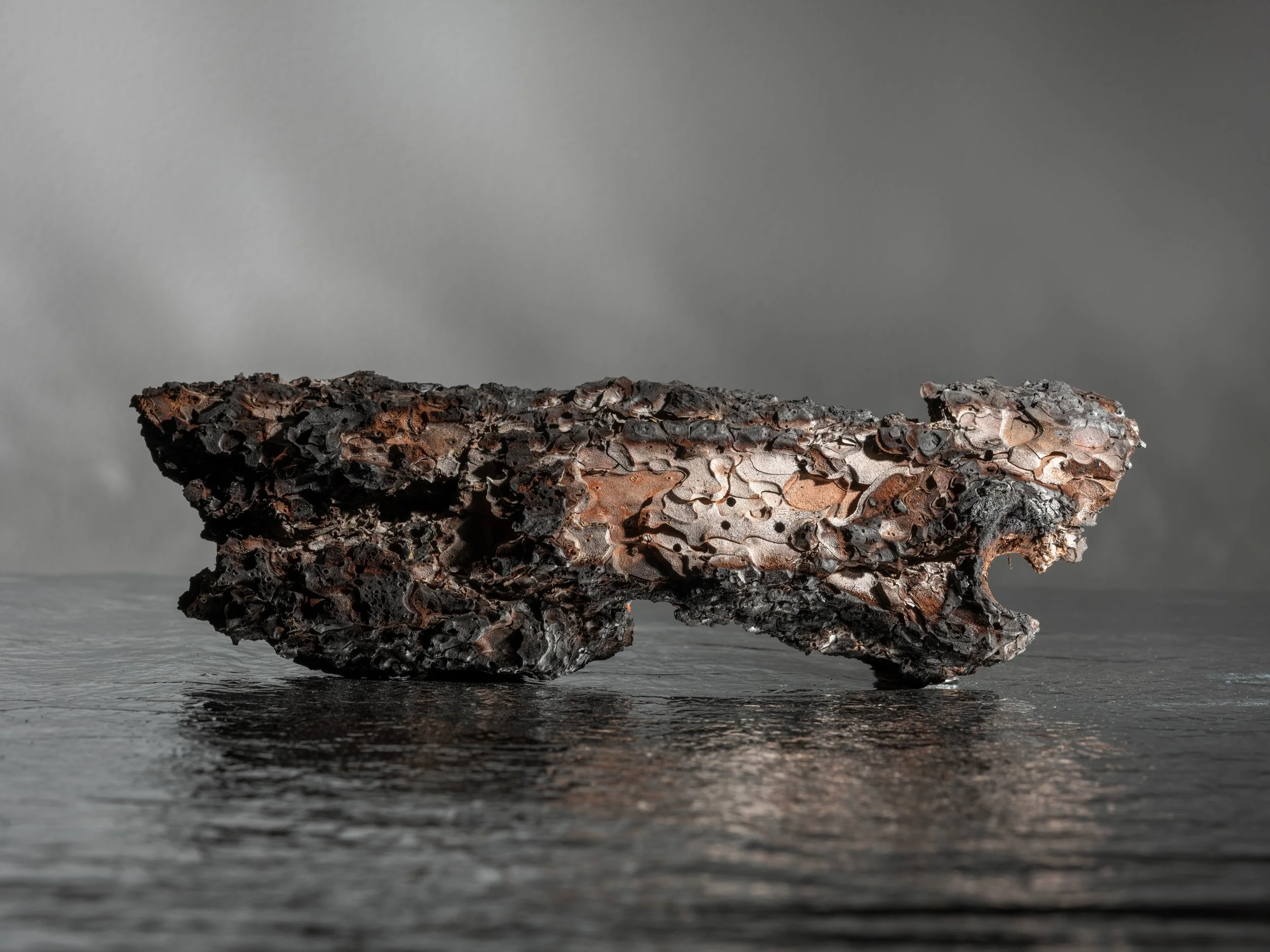
This series, titled Artifacts of Disturbance, was created during a month-long artist residency in the Similkameen Valley of BC during May 2024. Representing my first serious foray into studio photography, I collected ecological, geological and biological material that were subjected to one particular fire event - the Crater Creek wildfire in the Ashnola River Valley. Isolating these specimens in a studio context allowed me to reflect upon how the fire moved across these surfaces, foregrounding fragility yet hinting at concepts of resiliency. Relying on foil from emergency blankets and mirrored surfaces disrupts a conventional studio backdrop and engages with the concept of climate refugees. The materials were temporarily collected at sites along the Ashnola River and Ewart Creek, located within a brief drive of the Similkameen Artist Residency in the Village of Keremeos. All of the materials were returned to their respective sites after being photographed, in recognition of their role within lands that support human and more-than-human communities.
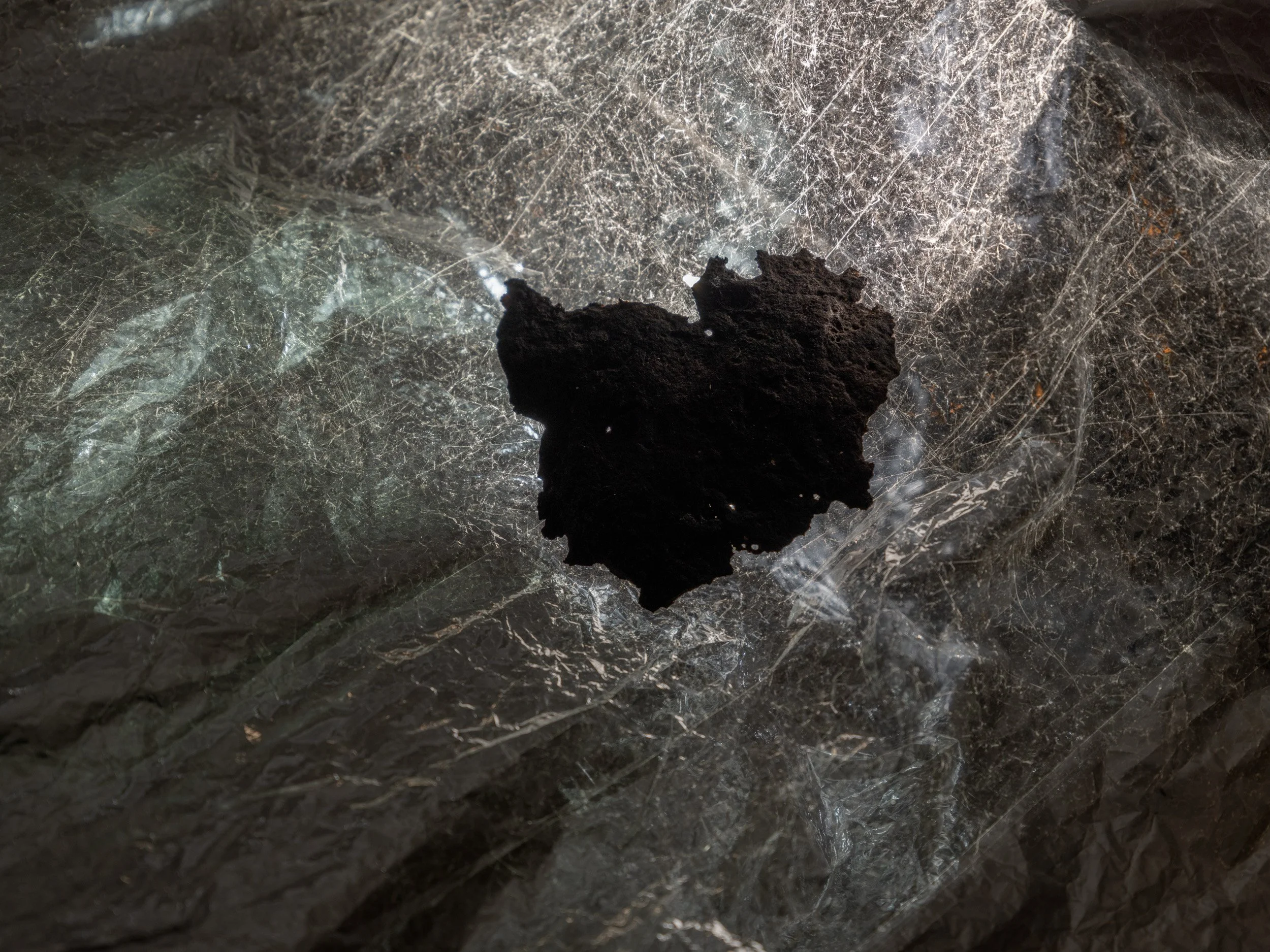
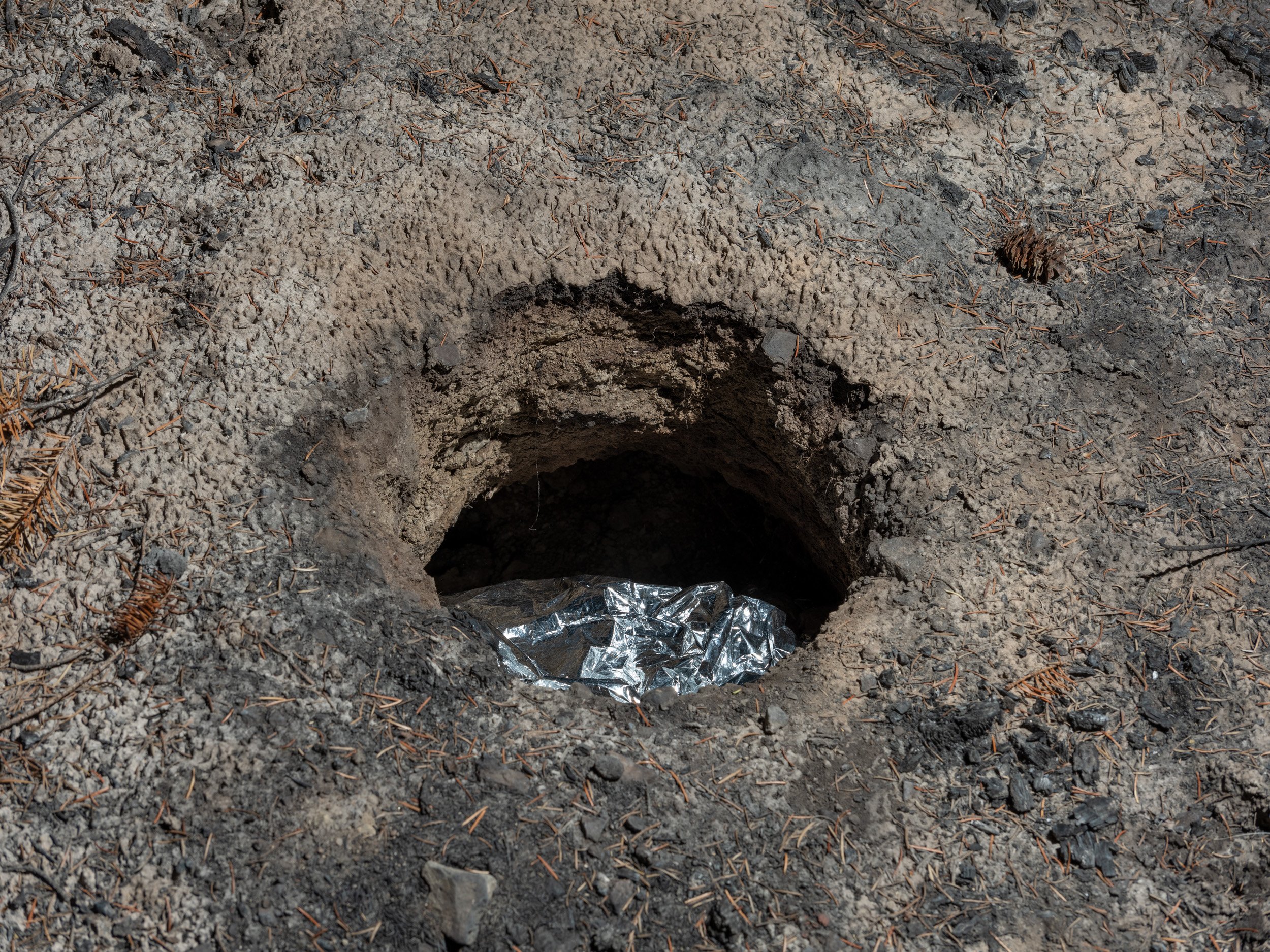
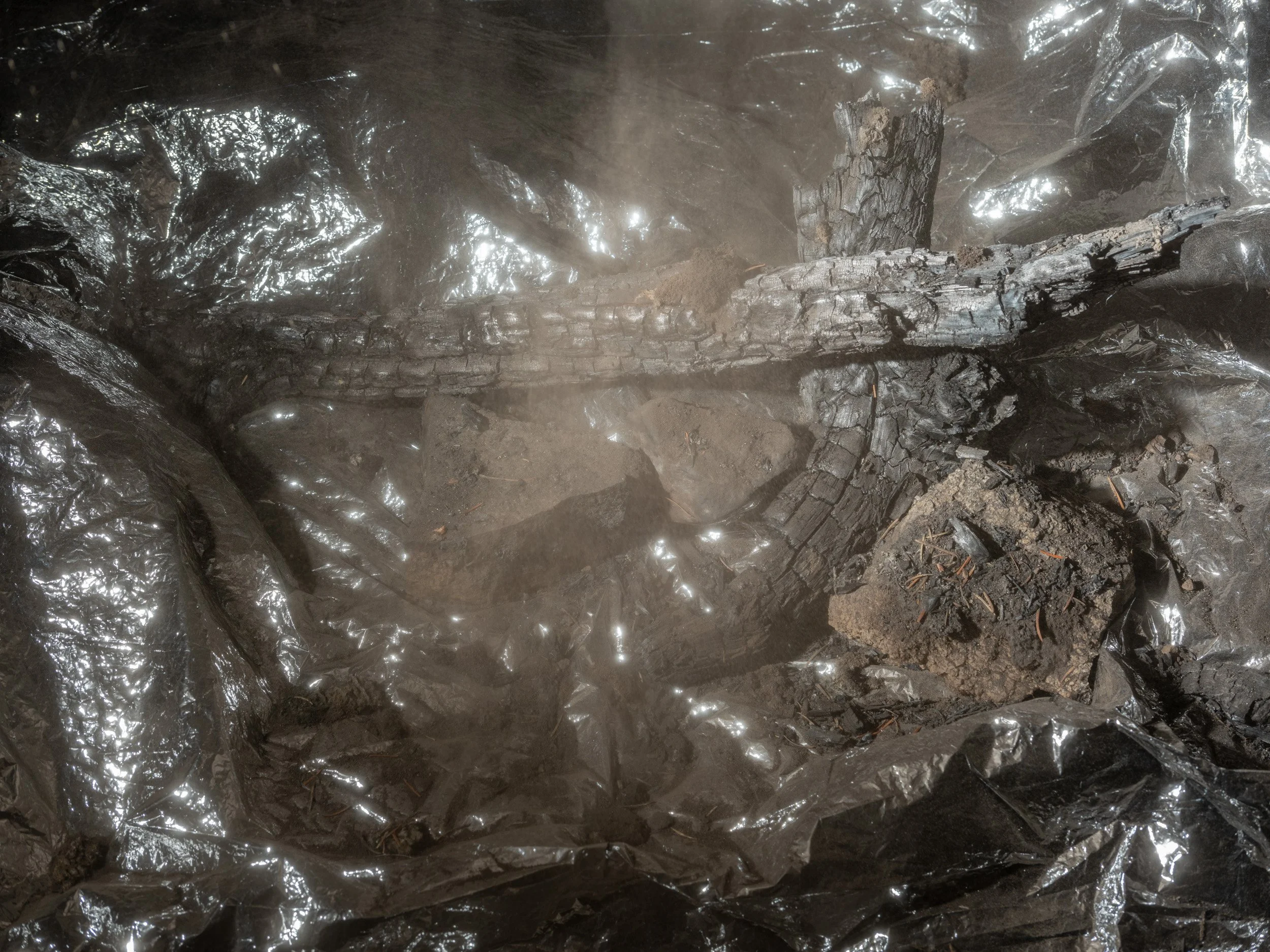
Ewart Creek Drainage (May 2024)
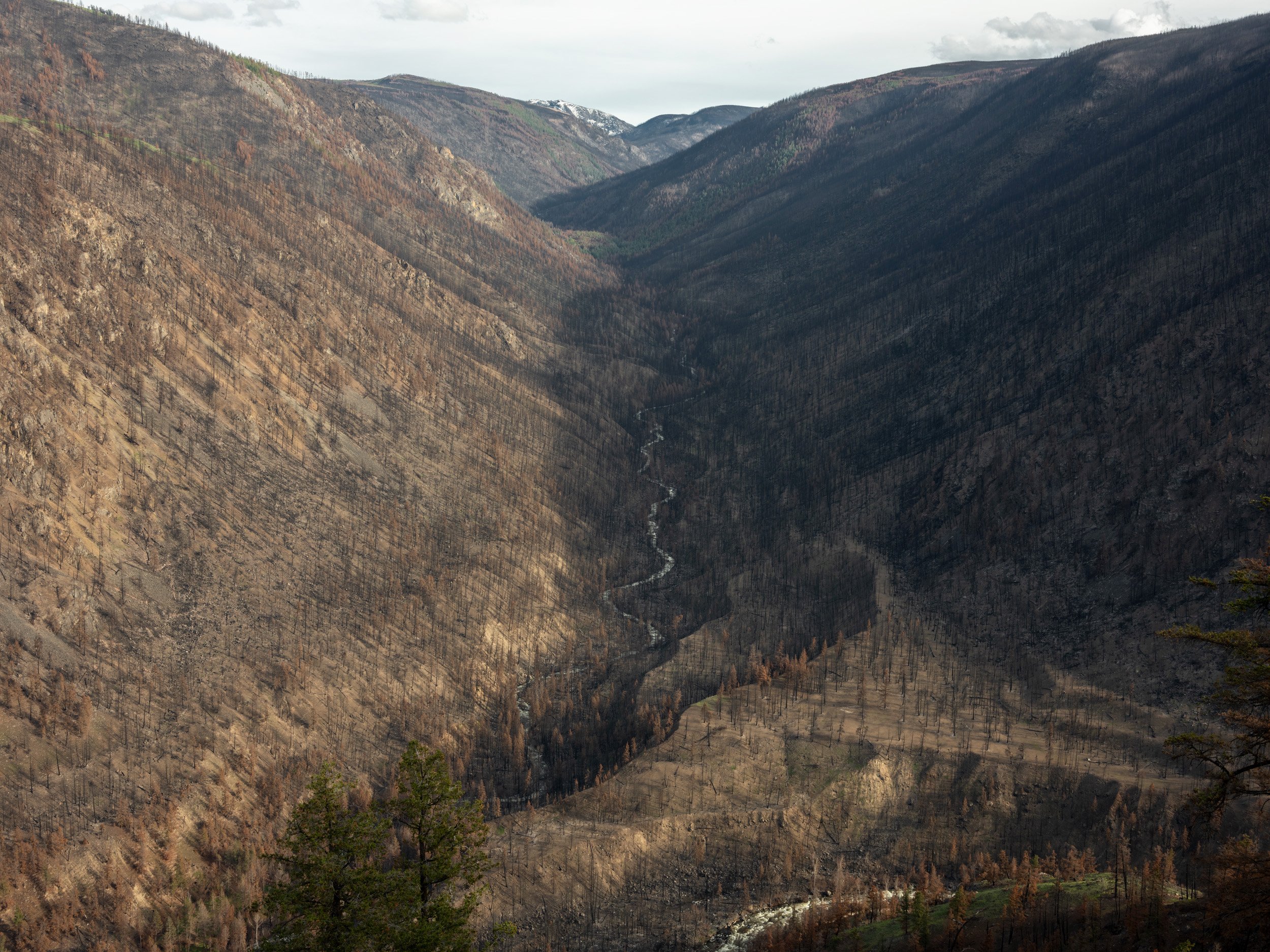
The Crater Creek wildfire burned 46,504 hectares (roughly 465 km2) in July and August of 2023. The area affected by the 2023 Crater Creek Wildfire is located within the unceded traditional territory of the Lower Similkameen Indian Band (LSIB). Members of LSIB are the (sməlqmíxw) people of the (sukwnaɁqinx) Okanagan Nation, who are the original inhabitants of the Similkameen Valley.
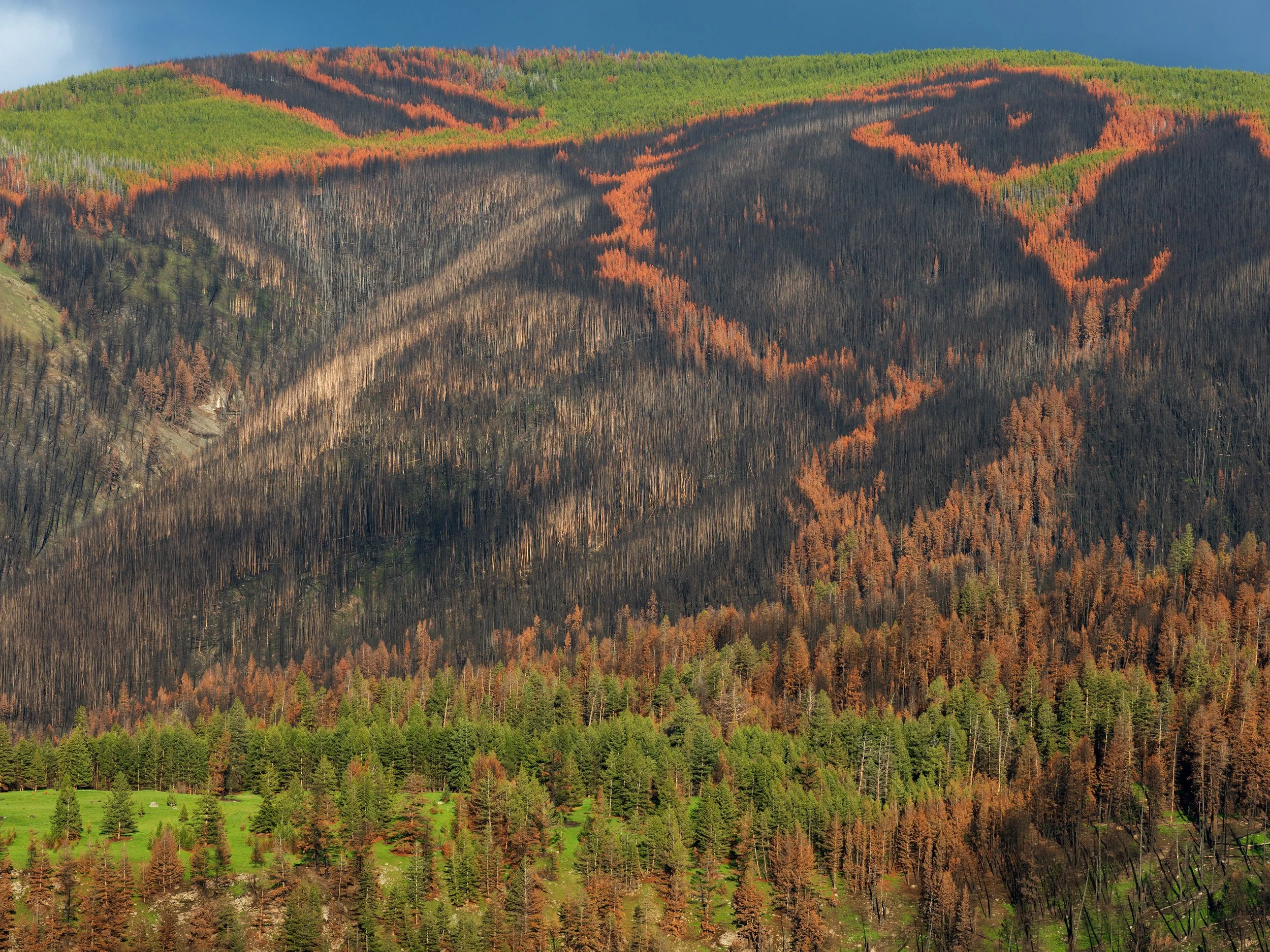
Fire Scar - Ashnola River Valley
This image showcases the dramatic patterns of wildfires on the easternmost Cascade Mountains. Representing the aftermath of a significant disturbance event and reflecting the changing intensity of climate-driven fires. The Ashnola River Valley, the Ewart Creek drainage, and Cathedral Provincial Park, all within the perimeter of this fire in the Similkameen Valley, are now undergoing regeneration. It is important to consider how ecological and geological timeframes can far exceed a human lifespan.
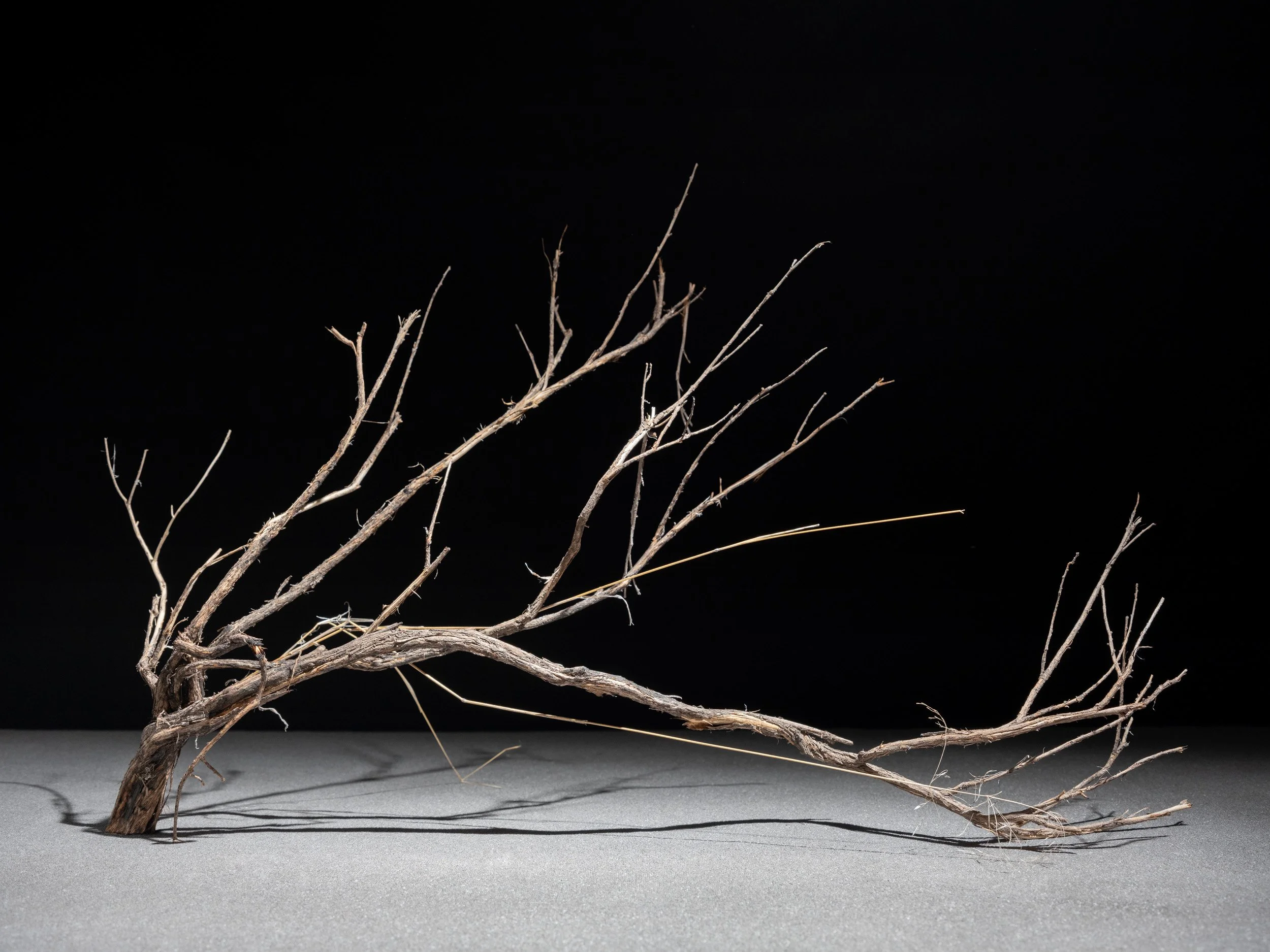
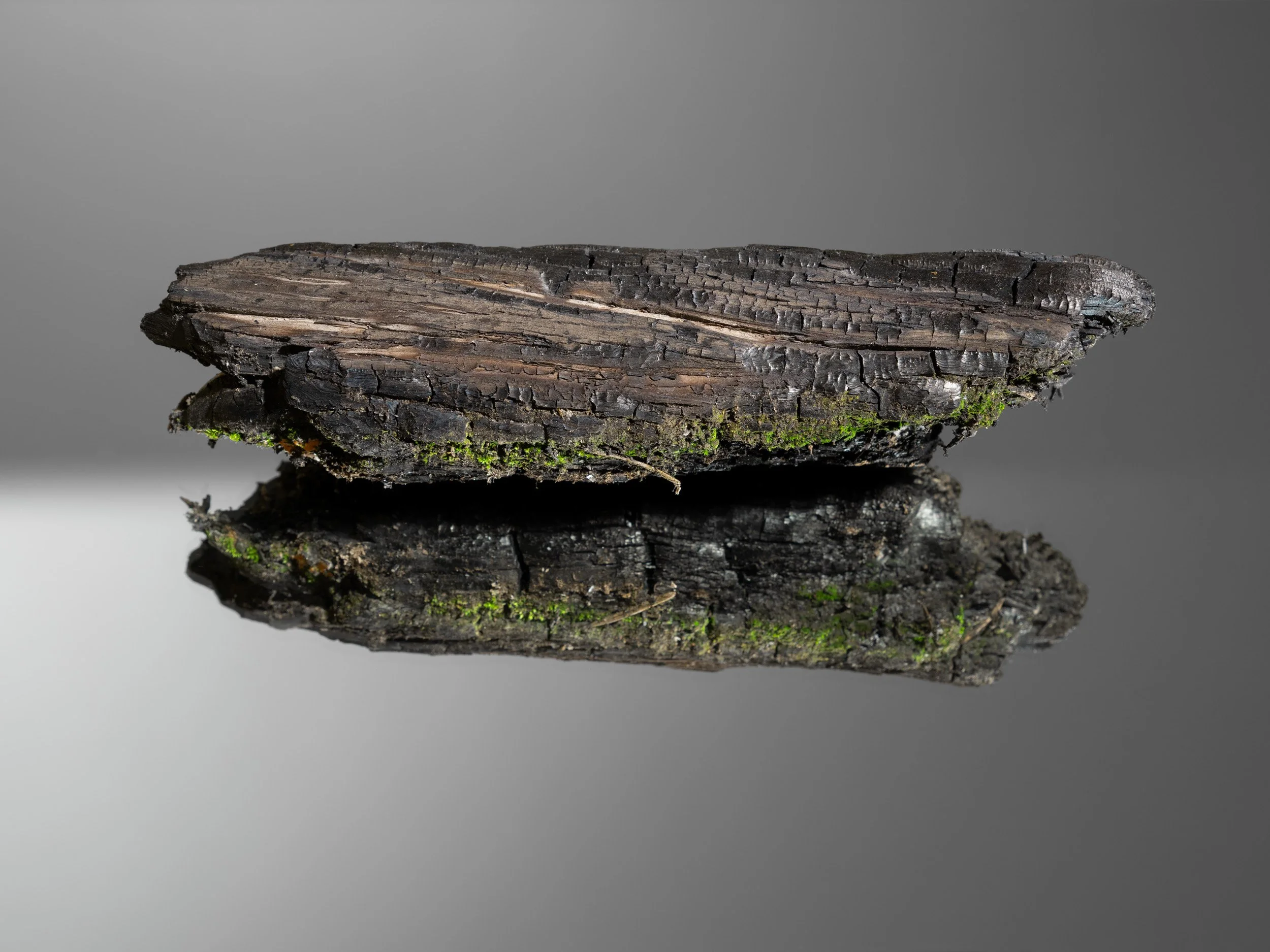
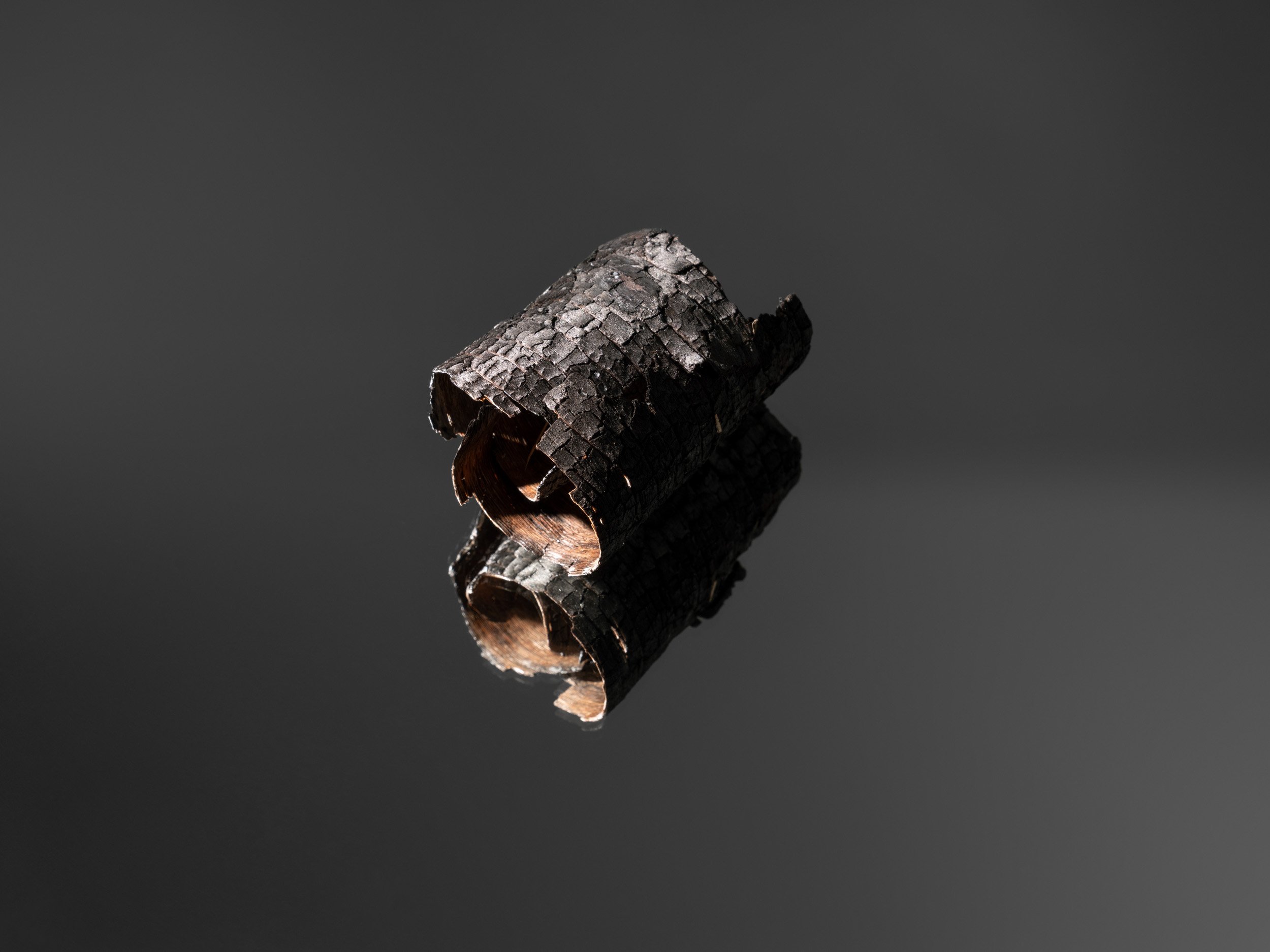
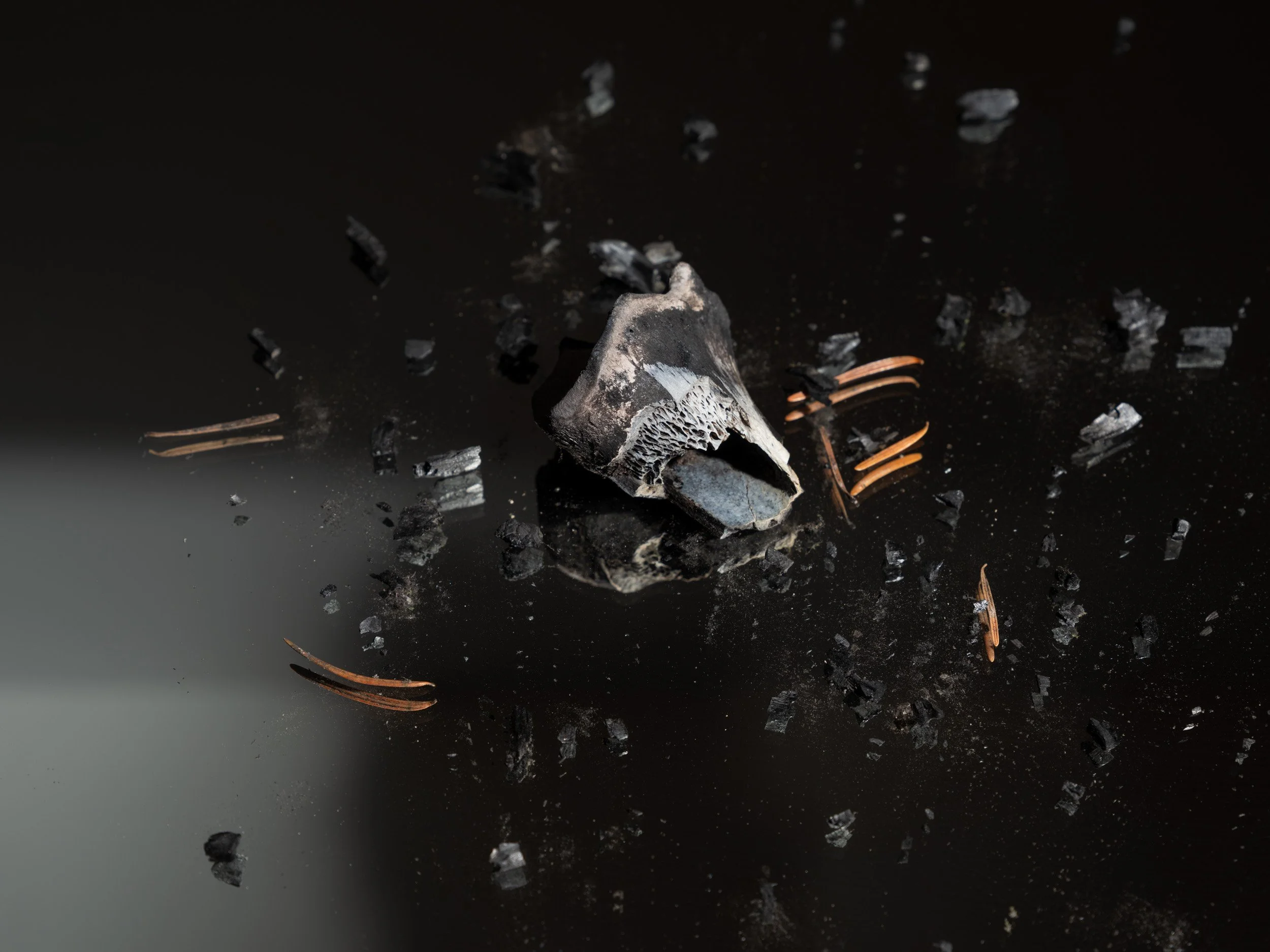
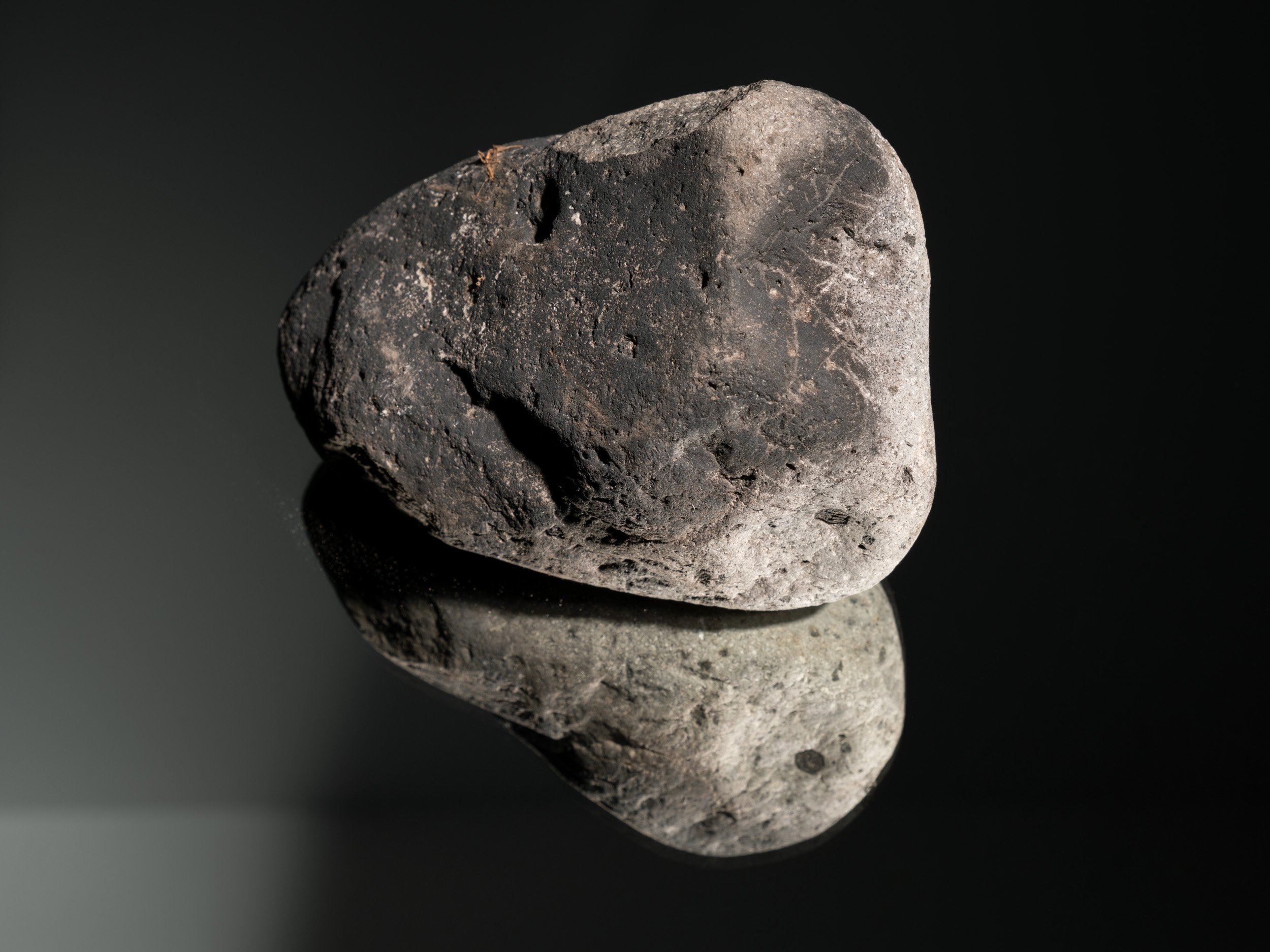
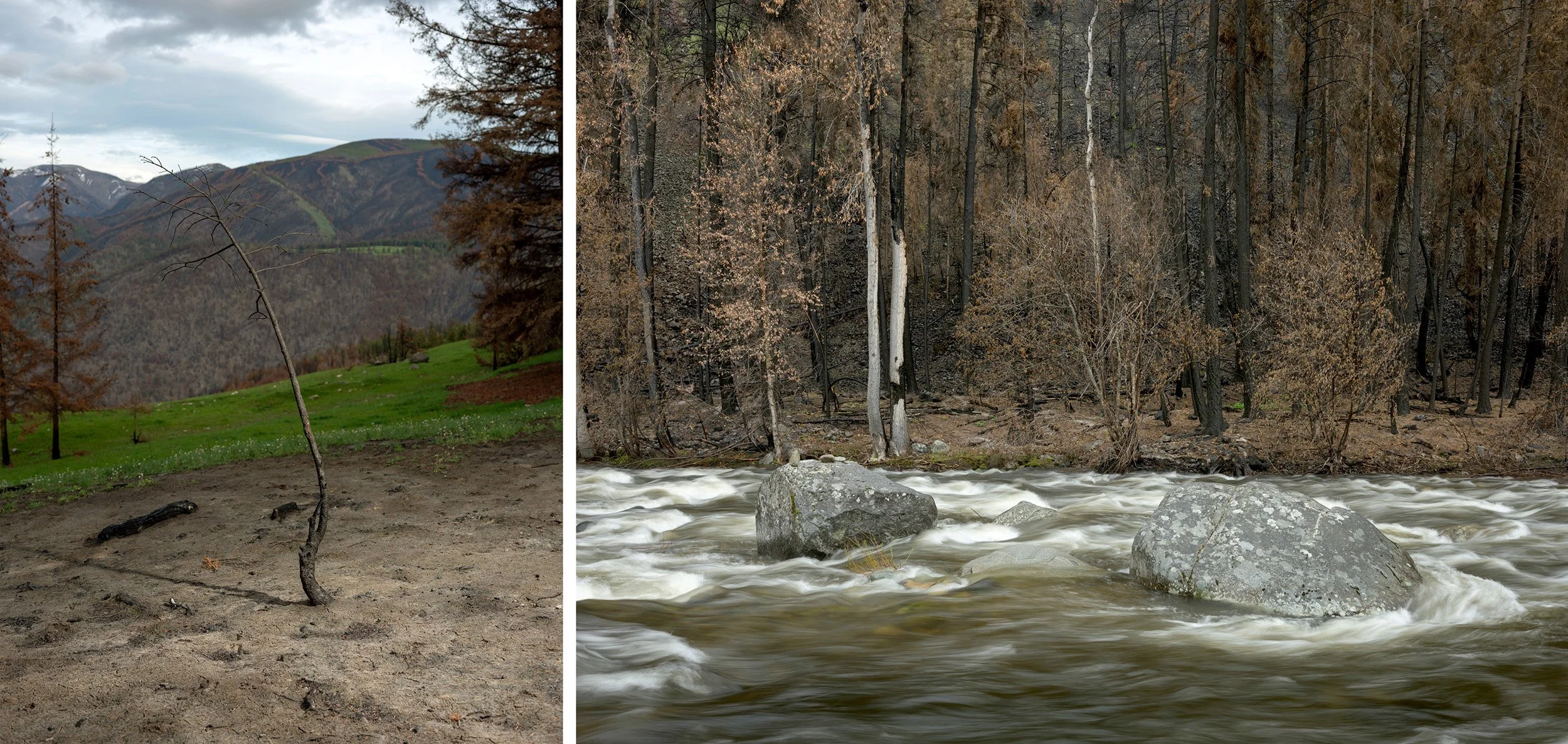
Alpine and riparian ecosystems are undergoing transformation following the Crater Creek wildfire
If you visit these locations today, the evidence of change will be profound. Spring is always the most spectacular time of season, as wildflowers and birds return to the lands.